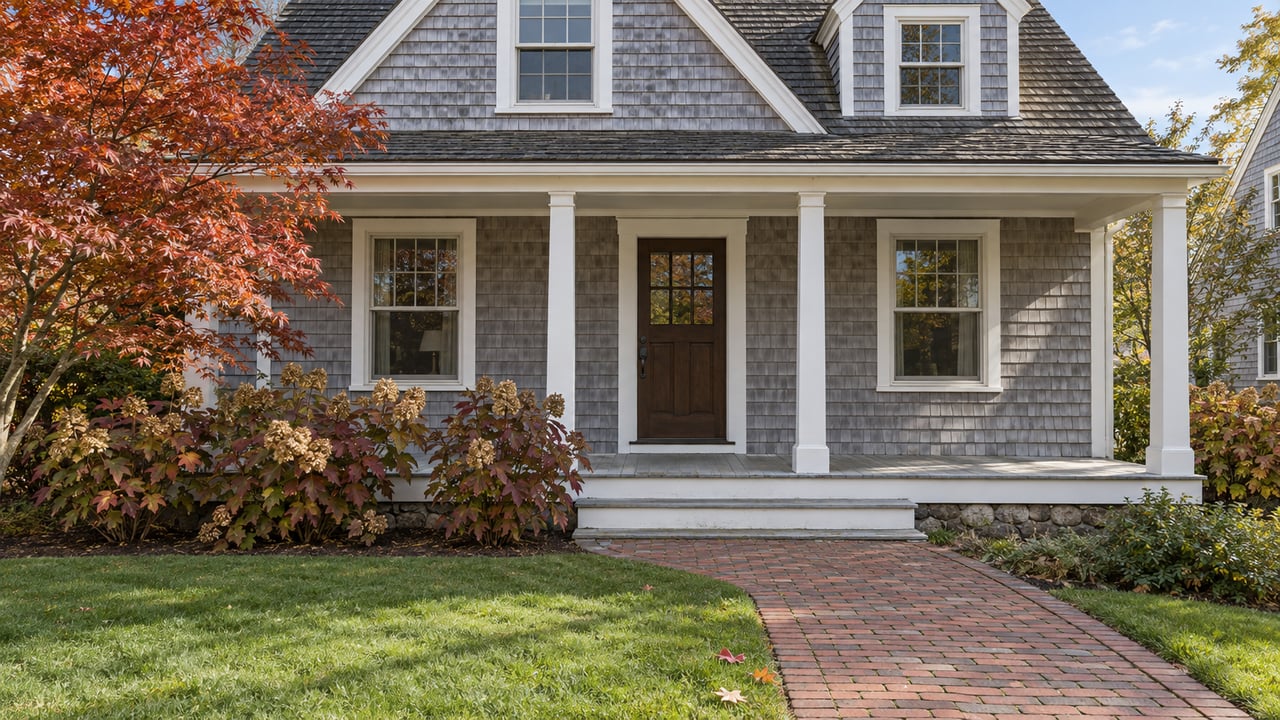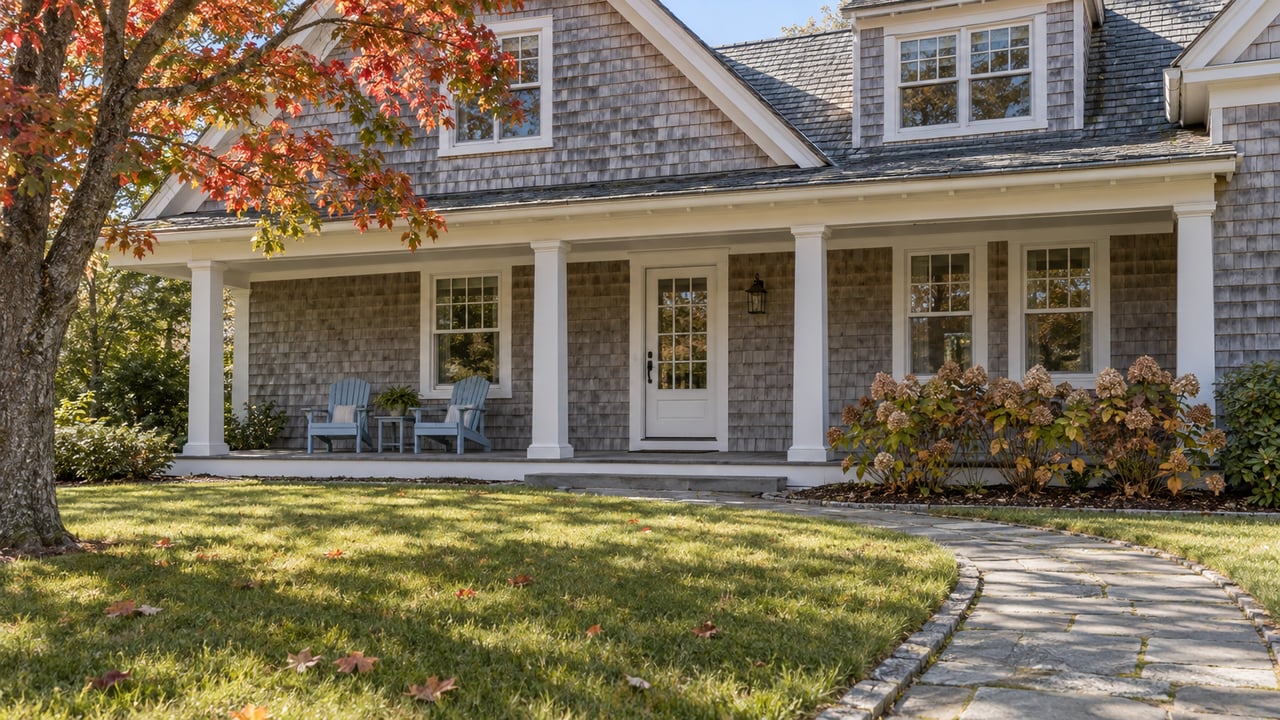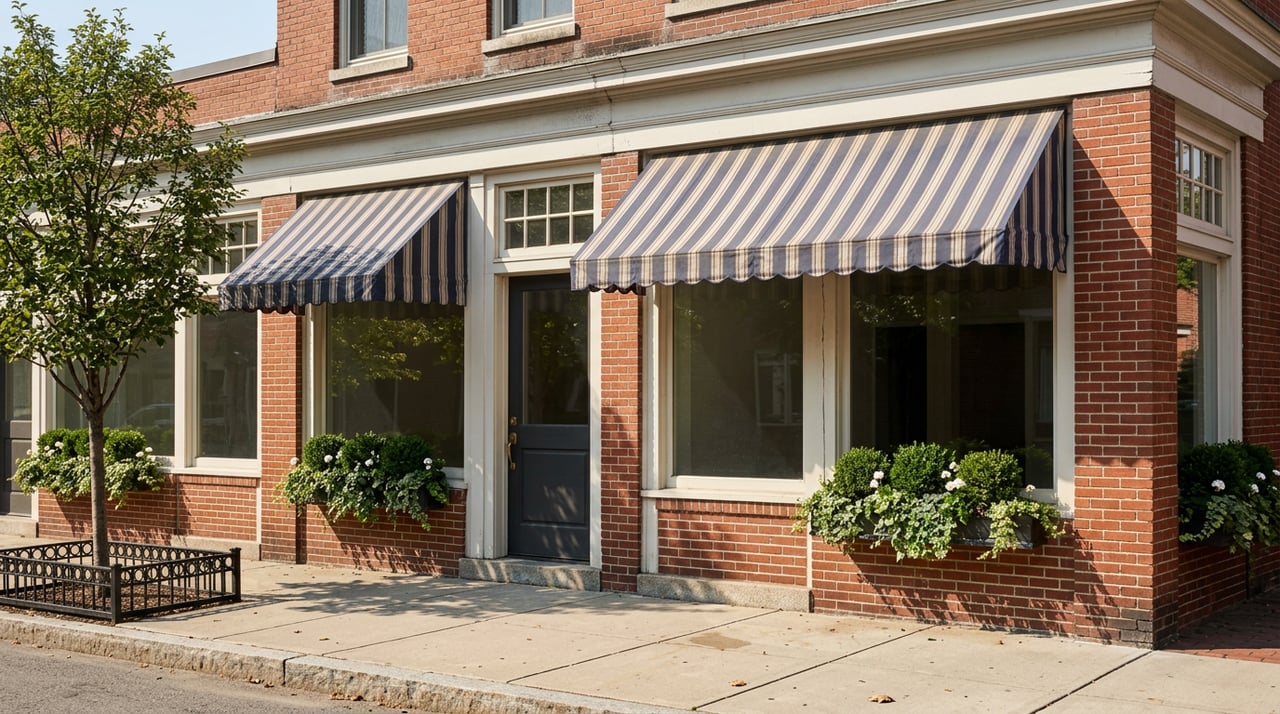
Torn between waking up to the sound of waves or strolling to dinner on Main Street? You are not alone. Many East Hampton buyers weigh oceanfront serenity against village convenience, and the right choice comes down to lifestyle, risk, and long-term costs. In this guide, you will learn how each option lives, what it really costs to own, how rentals and rules work, and a simple framework to pick with confidence. Let’s dive in.
Oceanfront or village: what drives price
East Hampton sits at the top of the Long Island market, with limited inventory and strong second-home demand. Local reporting shows the broader Hamptons median surpassed the two‑million mark, and that premium neighborhoods trade at much higher levels due to scarcity and lifestyle value. According to the East Hampton Star’s year‑end coverage, the Hamptons median crossed $2 million and top-tier addresses in places like East Hampton Village command multiple millions, reflecting walkability, amenities, and limited supply (local market recap).
Oceanfront properties carry an additional premium because of direct beach access, unobstructed views, and privacy. Village homes often command high prices per square foot thanks to proximity to shops, dining, and services. Your budget, risk tolerance, and intended use will help determine which premium you prefer to pay.
Oceanfront living: lifestyle and tradeoffs
What you gain
- Direct beach access, sweeping ocean or bay views, and a private, retreat-like setting.
- Space for outdoor living and a strong sense of escape during peak summer weeks.
- High desirability for seasonal renters who want a waterfront experience.
What to weigh
- Less walkability to shops and restaurants, so you will drive more for daily errands.
- Higher maintenance due to wind, salt, and sand exposure, plus potential shoreline upkeep.
- Coastal zones face greater storm and sea‑level exposure, which the Town’s Coastal Assessment and Resiliency Plan details for planning and adaptation (East Hampton CARP).
Village living: lifestyle and tradeoffs
What you gain
- Walkable access to restaurants, galleries, services, and community events.
- Easier year‑round living, with quicker trips to groceries, schools, and activities.
- Lower exposure to coastal storm impacts than raw oceanfront parcels.
What to weigh
- Limited or no private beach frontage, often relying on public access points.
- Premium pricing for top village streets and historic areas.
- Smaller lot sizes than some oceanfront or estate parcels.
Rental income, rules, and taxes
Peak-season demand
Short‑term rental demand in East Hampton is highly seasonal. Analytics show strong rates and bookings in summer, with softer shoulder seasons. A recent snapshot from Airbtics reported a median ADR around the high hundreds and occupancy near 50 percent over a trailing year, with top properties earning significantly more based on size, amenities, and location (East Hampton STR benchmarks).
Registration and stay limits
The Town of East Hampton uses a rental registry system that requires properties to register and display a rental identification number in advertisements. Local reporting notes limits on very short stays and a focus on enforcement, so you should verify current rules with the Town before you list or buy for rental income (Town rental registry coverage). Incorporated villages can adopt their own codes, and some have stricter requirements than the Town. Always check whether a property lies in the Town or an incorporated village and confirm the code.
Occupancy tax and sales tax
Suffolk County requires a 5.5 percent occupancy tax on short stays under 30 days. Hosts must register and remit on a set schedule, and you should also confirm any state or local sales tax obligations before listing (Suffolk County occupancy tax details). Compliance is essential to avoid penalties and protect your rental program.
Insurance, flood, and permits
Flood risk and sea level
Oceanfront ownership includes flood and erosion risk that can grow over time. New York State climate assessments project meaningful sea‑level rise for Long Island in coming decades, which feeds into local planning and permit review. If you plan to hold the property long term, study regional projections and Town planning guidance to understand exposure and mitigation options (NYS sea‑level projections; East Hampton CARP).
Insurance costs and coverage
Flood insurance pricing changed under FEMA’s Risk Rating 2.0, which sets more property‑specific premiums. Coastal homes can see higher premiums, and very high‑value properties may need supplemental private coverage to reach desired limits. Get quotes from the NFIP and private carriers early in due diligence so you understand total annual costs and lender requirements (NFIP background and Risk Rating 2.0).
Shoreline permits and maintenance
Shoreline work, dune maintenance, and structures like revetments require permits and oversight by local authorities. The Trustees of the Town of East Hampton and the Town itself regulate many beach and dune activities, and approvals can be complex and time‑consuming. Ask for documentation of any prior shoreline work and understand your responsibilities before closing (Trustees’ beach and dune guidance).
Cost and convenience comparison
- Oceanfront typically means higher purchase price, higher insurance and maintenance, and more complex permitting. It also delivers privacy, direct water access, and strong summer appeal.
- Village often provides a lower total cost of ownership for a given budget, easier year‑round living, and steady resale demand due to walkability and services.
- For rental goals, prime oceanfront can command top rates in peak months, while village homes can benefit from longer shoulder‑season stays thanks to convenience.
A quick decision checklist
Use these prompts to filter options fast:
- Budget and total cost: Include insurance, taxes, utilities, and expected maintenance. Oceanfront generally carries higher annual costs. Village often lowers those costs for a given purchase price.
- Intended use: If you want a primary residence with daily convenience, lean village. If you want a summer retreat with privacy and beach access, oceanfront can fit if you accept higher upkeep and have management in place.
- Risk tolerance and timeline: For a 20‑plus‑year hold, review Town resiliency plans and sea‑level projections and factor mitigation into your plan (East Hampton CARP).
- Rentals and rules: Confirm the property’s rental registry status, past rental history, and tax compliance. Know the Town’s registration requirements and county tax rules before you count on income (Town rental registry coverage; Suffolk County occupancy tax).
- Flood zone and insurance: Pull a FEMA FIRMette, get an elevation certificate if available, and collect NFIP and private flood quotes early so there are no surprises at underwriting (FEMA flood map how‑to).
Ready to choose with confidence?
Your answer is personal and practical. Oceanfront rewards you with a beachfront lifestyle and summer magic. Village delivers everyday ease and year‑round connection. If you want an honest, data‑driven plan for your goals, connect with Dawn Watson for a tailored East Hampton strategy and on‑the‑ground options.
FAQs
What is the price gap between East Hampton oceanfront and village homes?
- Local reporting shows the Hamptons median has surpassed two million, and East Hampton’s top neighborhoods trade at multiple millions. Oceanfront often commands a meaningful premium over inland and village stock due to direct beach access and privacy (market recap).
Are short‑term rentals allowed in the Town of East Hampton?
- Yes, but the Town requires registration and a rental identification number in ads, and it limits very short stays. Always confirm current Town rules and any village‑specific codes before listing (rental registry overview).
How risky is flood exposure for oceanfront East Hampton homes?
- Coastal parcels face higher storm and sea‑level exposure, which can affect long‑term costs and permitting. Review NYS sea‑level projections and the Town’s Coastal Assessment and Resiliency Plan to understand site‑specific risk and mitigation (NYS projections; CARP).
What insurance should I budget for near the shore?
- Expect property‑specific flood insurance under FEMA’s Risk Rating 2.0, plus wind and homeowners coverage. Get multiple quotes, including private flood options for higher limits, and compare coverage and deductibles (Risk Rating 2.0 background).
What permits are needed for dune or shoreline work in East Hampton?
- The Trustees and the Town regulate beach and dune activity. You will likely need permits for dune maintenance, revetments, or access improvements, and prior approvals can bind future work (Trustees’ guidance).
How do I estimate seasonal rental income for a Hamptons home?
- Model income with third‑party analytics and factor in strong summer seasonality. Airbtics shows high ADRs in peak months and lower shoulder‑season occupancy, with performance varying by size, location, and amenities (STR benchmarks).