What makes one Sag Harbor listing feel unforgettable while another gets lost in the scroll? In a market where buyers are often choosing between very different homes, price points, and lifestyles, the story you tell can shape how your property is perceived from day one. If you are planning to sell, a strategic narrative can help buyers understand not just what your home is, but why it matters in Sag Harbor. Let’s dive in.
Why storytelling matters in Sag Harbor
Sag Harbor is not a one-note market. According to the village’s planning documents, it is a historic port community defined by Main Street, the waterfront, residential neighborhoods, marinas, boatyards, restaurants, shops, and a strong sense of place. That means buyers are often responding to more than square footage or bedroom count alone.
The market data supports a more thoughtful approach. In the Q1 2025 Elliman and Miller Samuel Hamptons report, Sag Harbor posted a median sales price of $2.25 million, 142 listings in inventory, 10.4 months of supply, and 115.8 days on market. Those numbers suggest that sellers benefit from clear positioning, especially when buyers have options.
Broader Hamptons data shows a similar pattern. In Elliman’s Q2 2025 Hamptons report, single-family homes averaged 97 days on market, while the luxury segment averaged 131 days on market with a 10.3% listing discount from last list price. In other words, premium presentation can matter, but it still has to work alongside realistic pricing.
What strategic storytelling really means
Strategic storytelling is not hype. It is the process of identifying your home’s strongest, most verifiable qualities and presenting them in a way that helps the right buyer connect with them quickly.
In Sag Harbor, that usually means tying the home to the setting. Instead of relying on generic phrases, strong listing marketing explains why the home belongs specifically in the village or nearby submarket. The goal is to create a clear point of view buyers can remember.
A good story is also selective. You do not need to say everything at once. You need to lead with the features that best match buyer motivations, then support that narrative through staging, photography, video, and listing copy.
The Sag Harbor story angles that work
Sag Harbor’s local identity lends itself to a few recurring themes. Based on the village context and local market commentary, the strongest narratives often fall into one of several place-based categories.
Historic village charm
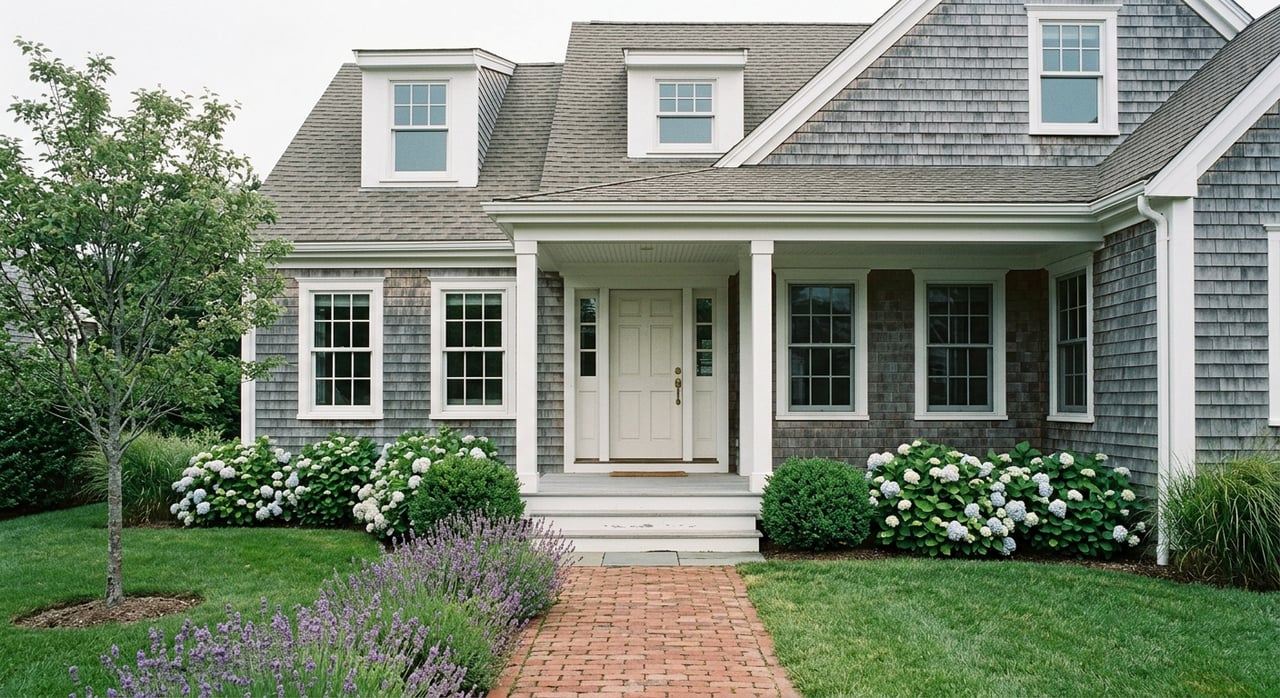
If your home has preserved architectural details, an older footprint, or careful system updates, the story may center on heritage and livability. Buyers often respond to homes that feel connected to Sag Harbor’s maritime and village history while still functioning well for modern use.
This approach works best when the story is specific. Original details, thoughtful restoration, and proximity to the village center can be more persuasive than broad claims about character.
Waterfront or boating lifestyle
If your property offers cove views, a dock, a bulkhead, or easy boating access, that should likely anchor the story. Waterfront buyers are not just purchasing a structure. They are often purchasing a rhythm of life tied to the water.
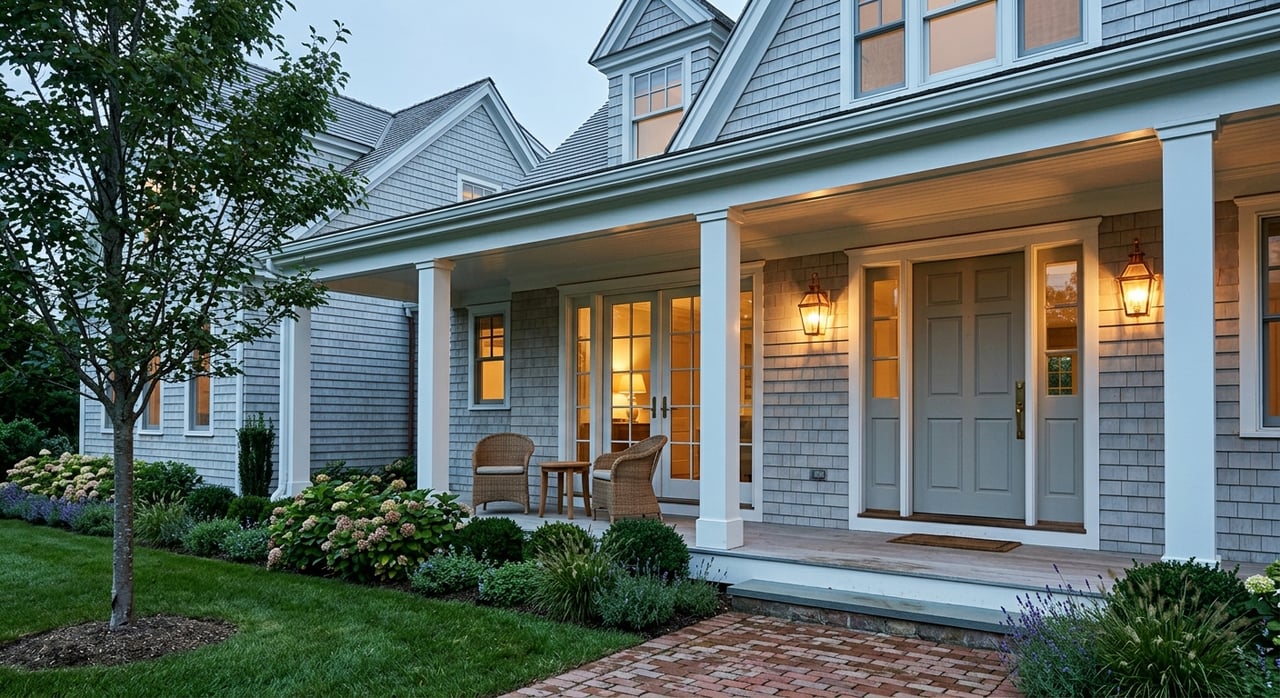
Your marketing should show how that lifestyle plays out. Outdoor entertaining areas, sightlines, and transitions between indoor and outdoor spaces all help buyers picture the experience.
Walk-to-town convenience
For many buyers, Sag Harbor’s appeal is its village-centered lifestyle. Main Street access, nearby shops and restaurants, and everyday convenience can be a major differentiator, especially when paired with a year-round feel.
This kind of narrative should stay factual and grounded. The value comes from clearly showing the home’s relationship to the village, not overstating it.
Design-forward turnkey living
Some buyers want a home that feels polished, current, and move-in ready. If your property has quality renovations, strong indoor-outdoor flow, and refined finishes, the story may be about ease and design.
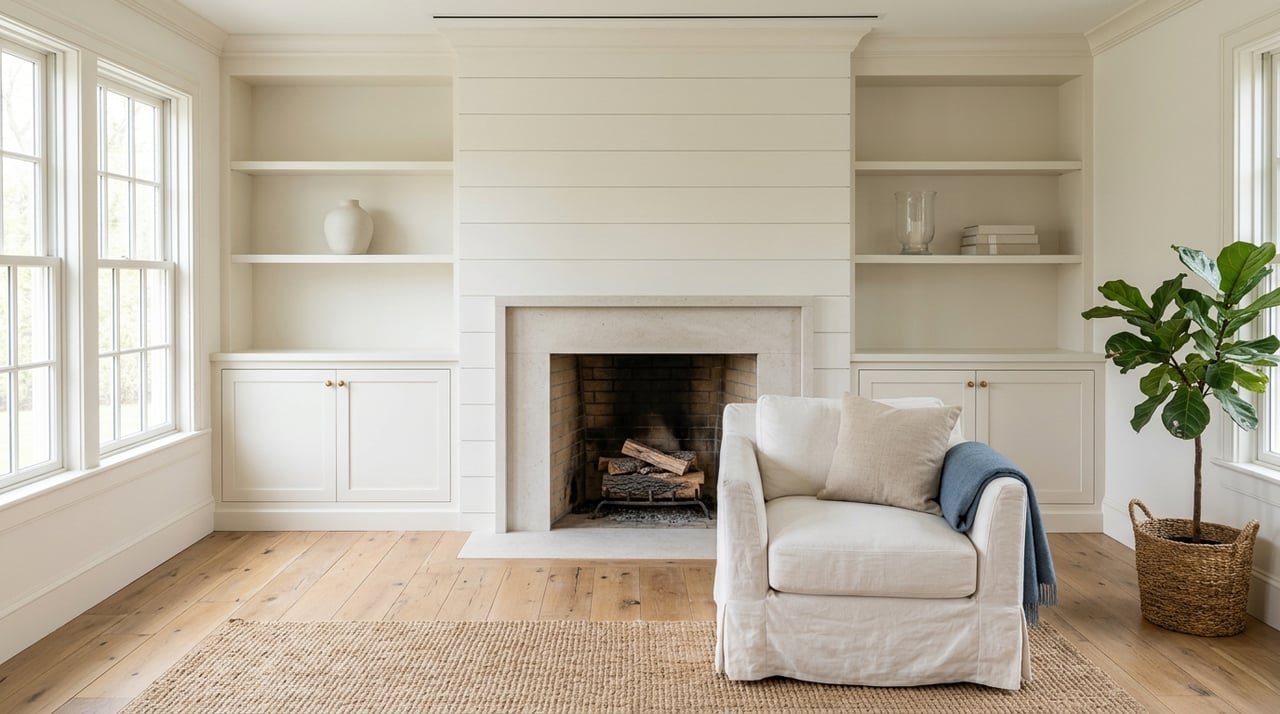
This is especially effective when the visuals match the message. Clean staging, bright photography, and a calm, edited look can reinforce the turnkey narrative immediately.
Privacy and retreat
Not every Sag Harbor-area buyer wants to be in the center of village activity. Some are looking for quiet, land, and a sense of retreat while still staying close to what makes the area desirable.
If your property offers acreage, screening, or a more secluded setting, your story should lean into that. Privacy becomes more compelling when buyers can also understand their access to the village and surrounding amenities.
Match the story to the buyer
One of the biggest mistakes sellers make is trying to appeal to everyone. Sag Harbor shows real price dispersion and multiple buyer segments, as seen in the Q1 2025 Miller Samuel data and the Q2 2025 Corcoran East End figures summarized in the research. That means the most effective marketing is usually focused, not generic.
A historic village home and a private retreat near the village may both attract strong buyers, but not for the same reasons. When your marketing speaks clearly to the likely buyer profile, it becomes easier for people to self-identify with the property.
That also helps your pricing and presentation strategy feel coherent. Buyers tend to trust listings more when the visuals, copy, and positioning all tell the same story.
Use staging to support the narrative
Storytelling is not just written copy. It starts the moment a buyer sees the first photo. According to the National Association of Realtors 2025 Profile of Home Staging, 83% of respondents said staging made it easier for buyers to envision the property as their future home.
That same report found that 29% of agents said staging increased the dollar value offered by 1% to 10%, and 49% said staging reduced time on market. Survey-based findings are not a guarantee, but they do reinforce an important point: staging can reduce buyer friction.
For Sag Harbor sellers, the best staging usually feels elevated but believable. Buyers want polish, but they do not want the home to feel artificial. The story should feel aspirational and grounded at the same time.
Prioritize the most important rooms
NAR found that the living room, primary bedroom, and kitchen were the top rooms to stage. Those spaces also tend to carry the emotional weight of a listing, especially in lifestyle-driven markets.
If you are preparing your home for sale, start there. Ask which room best introduces the story, which room builds desire, and which room confirms the home’s functionality.
Let the strongest feature lead
Once the key rooms are polished, the next step is to highlight the single strongest differentiator. That might be water, architecture, renovation quality, walkability, or privacy.
Your first photos, video clips, and opening listing language should support that lead angle. If everything is treated as equally important, buyers may miss the one thing that makes your property memorable.
Why premium media matters
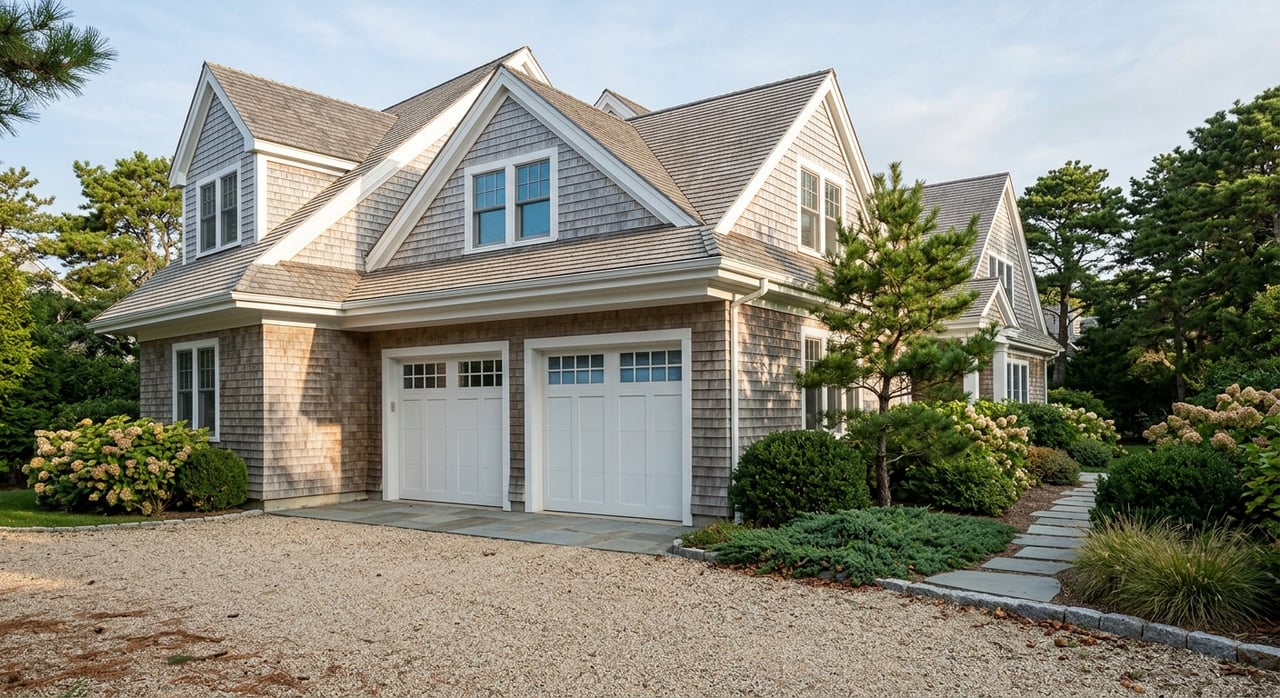
High-quality visuals are not optional in a market like Sag Harbor. In the same NAR staging report, buyers’ agents rated photos as highly important at 73%, followed by physical staging at 57%, videos at 48%, and virtual tours at 43%.
That matters because your online presentation often forms the buyer’s first impression long before a showing is scheduled. If the listing media feels flat, rushed, or inconsistent, the home may lose momentum before it has a chance to compete.
For many Sag Harbor homes, premium media should do three things:
- Capture the home’s most marketable rooms clearly
- Show how the property relates to its surroundings
- Create a visual sequence that supports the listing’s central story
If the home’s advantage is waterfront living, buyers should feel that immediately. If the appeal is village proximity or historic character, the imagery should make that legible at a glance.
Keep the story accurate and restrained
The best real estate storytelling does not oversell. In a discerning market, buyers can usually tell when a listing is trying too hard.
A strong Sag Harbor listing story should be rooted in verifiable features and local context. That means naming what is actually true about the home, showing it clearly, and avoiding filler language that could apply to almost any property in the Hamptons.
This is where editorial judgment matters. Clean copy, thoughtful sequencing, and the right tone can make a home feel distinctive without making promises the property cannot support.
Pricing and storytelling should work together
Even the best marketing cannot fix a pricing strategy that misses the market. The available data points to meaningful time on market and discounting, particularly in premium segments, which is why sellers should think of storytelling as a complement to pricing, not a substitute for it.
When pricing and presentation are aligned, buyers have an easier time understanding value. They can see what the home is, who it is for, and why it is positioned the way it is.
That kind of clarity can improve engagement from the start. It can also help showings feel more productive because the people walking through the door are more likely to be responding to the right message.
What a strong Sag Harbor launch looks like
If you want your home to stand out, your launch should feel coordinated. The story, visuals, staging, and pricing should all support the same idea.
A smart seller launch often includes:
- A clear property narrative based on the home’s strongest angle
- Decluttered, intentional staging in the living room, kitchen, and primary bedroom
- Professional photography that leads with the home’s top differentiator
- Video or virtual assets when they add context
- Listing copy that explains why the home fits Sag Harbor specifically
That combination is often what helps a listing feel considered rather than ordinary. In a market with multiple buyer types and meaningful competition, that difference can matter.
Selling in Sag Harbor is rarely just about putting a home online and waiting. It is about presenting your property with clarity, taste, and local understanding so the right buyer can see its value quickly. If you are considering a sale, working with a local expert who understands both the market data and the power of narrative can help you bring that story to life. To start the conversation, connect with Dawn Watson.
FAQs
What does strategic storytelling mean when selling a Sag Harbor home?
- It means building your listing around the home’s most compelling and verifiable strengths, such as historic character, waterfront access, walk-to-town convenience, design quality, or privacy, so buyers can quickly understand why the property stands out.
Why does storytelling matter in the Sag Harbor real estate market?
- Sag Harbor has varied inventory, multiple buyer segments, and meaningful days on market, so clear positioning can help your home feel more memorable and relevant to the right audience.
Which rooms matter most when preparing a Sag Harbor home for sale?
- Based on the NAR 2025 staging report, the living room, primary bedroom, and kitchen are the top rooms to prioritize because they often shape a buyer’s first impression and emotional connection.
Does staging really help when listing a home in Sag Harbor?
- Survey findings from NAR suggest it can, with many respondents reporting that staging helps buyers envision the home, may reduce time on market, and can improve perceived value.
What kind of listing story works best for a Sag Harbor property?
- The most effective stories are usually specific to the property and its setting, often centered on historic village living, waterfront lifestyle, walkability, turnkey design, or private retreat appeal.
Can premium marketing replace correct pricing for a Sag Harbor home sale?
- No. Premium marketing can improve presentation and buyer engagement, but the research suggests it works best when paired with pricing that reflects actual market conditions.
How do you make a Sag Harbor listing feel distinctive without overselling it?
- Focus on accurate features, local context, strong visuals, and restrained copy that clearly explains what is special about the home without relying on generic luxury language.