What if your morning coffee came with sailboats in the background and a stroll to an indie cinema or library right after? If you want a small, walkable harbor village with big culture and easy access to the water, Sag Harbor may be your place. In this guide, you’ll get a clear view of daily life, housing styles, schools and transit, plus key buying tips on permits, taxes, flood maps and short-term rentals. Let’s dive in.
Sag Harbor at a glance
Sag Harbor is an incorporated village on the East End of Long Island in Suffolk County. The village sits partly in the Town of Southampton and partly in the Town of East Hampton, which can affect taxes and permits. The year-round population was 2,772 in the 2020 Census, and much of downtown is listed on the National Register of Historic Places. You can find a concise village overview in the official municipal profile from the Village of Sag Harbor.
- See the village overview and historic-district details in the municipal profile: Village of Sag Harbor documents
Historic roots, modern life
Sag Harbor’s 19th-century whaling heritage shaped the village core you see today. Preserved storefronts on Main and Bay Streets, the harbor itself, and landmarks like the First Presbyterian, known as the Old Whaler’s Church, anchor the village’s historic image. The church is documented in the National Park Service nomination as a National Historic Landmark. Learn more about the village’s origins and the Old Whaler’s Church on the historical overview and the Old Whaler’s Church entry.
Who thrives here
You’ll find a strong year-round community of families, artists and small-business owners, along with a seasonal group of weekenders and second-home owners. People who value a compact, walkable village with boating access, an active arts scene and waterfront parks tend to settle in well here. The village plans for seasonal traffic and waterfront use to help balance resident life with summer visitors, which is part of its civic character. You can see those priorities reflected in the municipal planning documents.
Neighborhood feel and housing styles
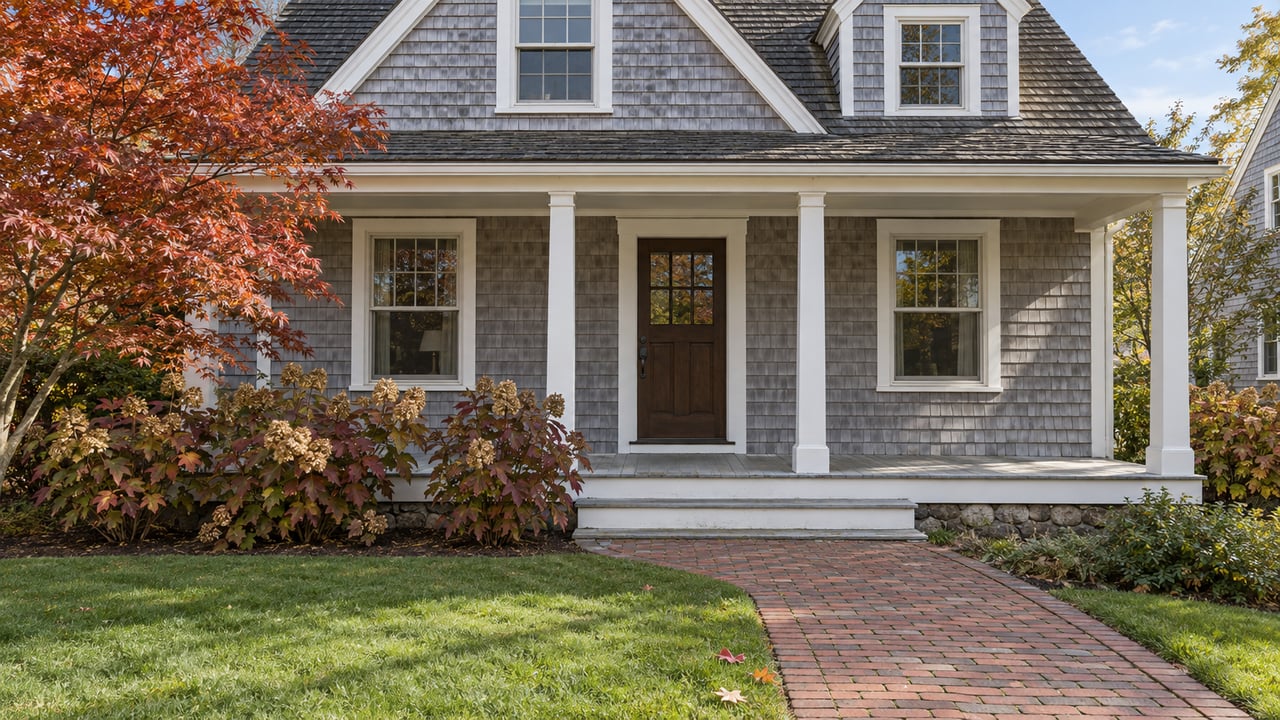
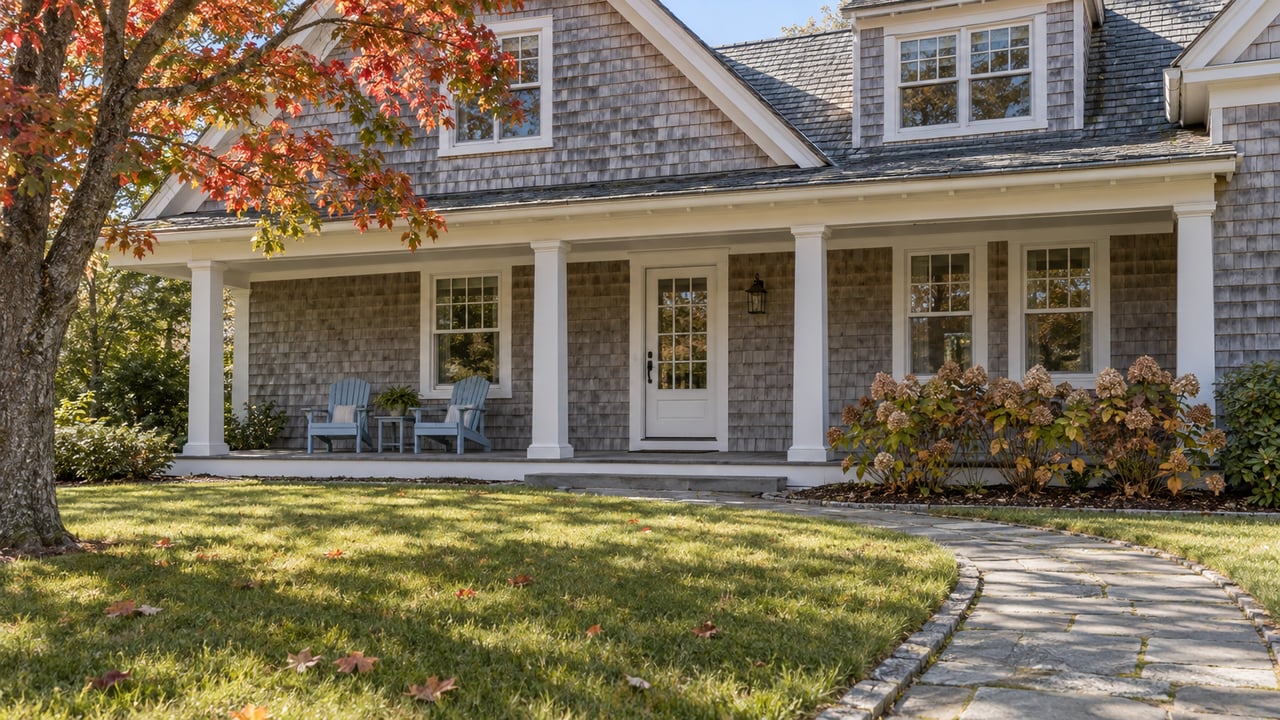
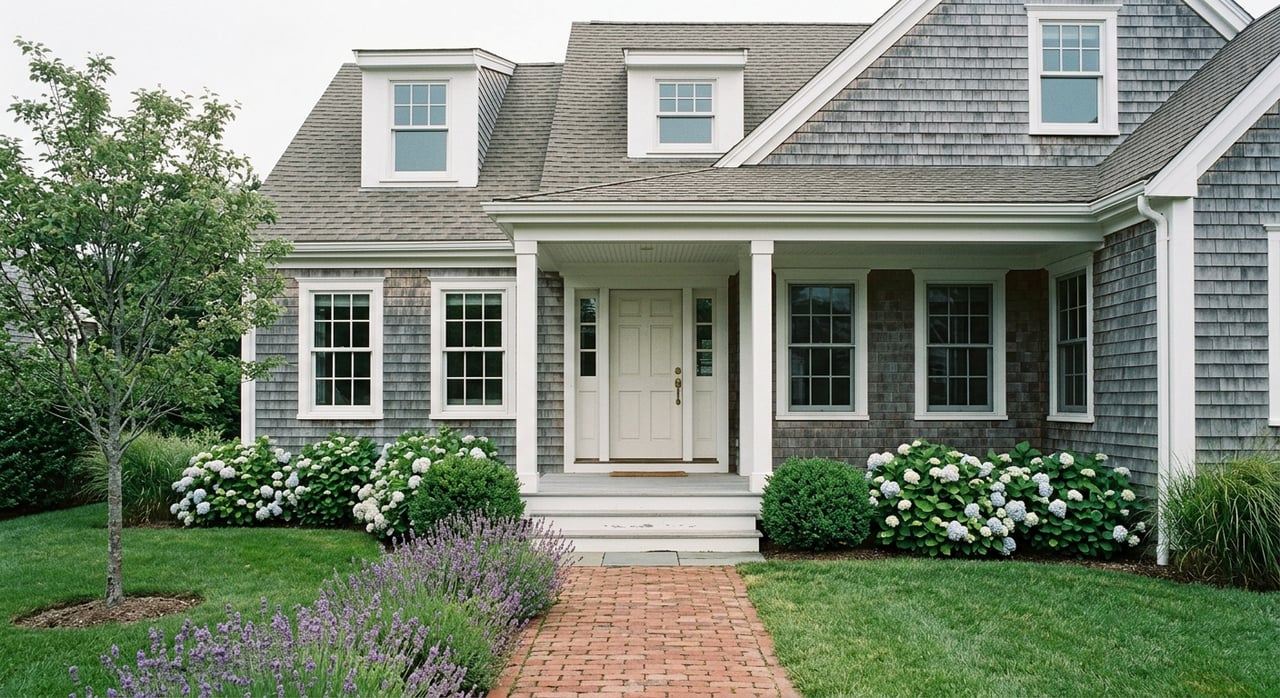
Sag Harbor’s village core is compact, at roughly 1.8 to 1.9 square miles of land, with a classic Main Street and Bay Street business district that you can cover on foot. You’ll see small historic cottages, Federal and Victorian homes, tidy village lots, and some newer construction at the village edges. The harborfront is a daily focal point, and parks knit the neighborhood together.
A notable part of the village’s story is the group of historically African American beachfront subdivisions known as Sag Harbor Hills, Azurest and Ninevah Beach. These neighborhoods are listed on the National Register and are often grouped locally as SANS or HBBC, reflecting a significant chapter in the village’s cultural history. Read more about the district’s background in the SANS historic district listing.
What homes look like
Close to downtown, expect classic village houses and cottages with period details. Along the water and just beyond the core, you’ll see larger parcels and waterfront options. Many in-village homes are older and come with architectural variety. If you plan to renovate, you may need to work within historic-district rules and local review. For a broad orientation to the built fabric and village boundaries, start with the Sag Harbor overview and the village’s historical background.
Market basics to know
- Prices are well above national averages and are seasonal. The market often runs hottest late spring through summer, with tighter inventory. Off-season patterns can look different.
- Because Sag Harbor straddles two towns and includes a distinct in-village market versus surrounding areas, it helps to review a block-by-block comparative market analysis before you bid.
- Renovation potential can hinge on historic-district and building rules, so factor timeline and approvals into your offer strategy.
Daily life and amenities
Schools
Sag Harbor is served by the Sag Harbor Union Free School District, including Sag Harbor Elementary and Pierson Middle/High School. It is a small, village-centered district. Families should review official district resources and state report cards for up-to-date program and enrollment information. Visit the Sag Harbor UFSD website.
Getting around
Sag Harbor does not have an active Long Island Rail Road station. The nearest Montauk Branch stations are in Bridgehampton, Southampton and East Hampton. Many residents and visitors use private bus service for New York City access. The Hampton Jitney runs to and from Manhattan and lists Sag Harbor among its stops. You can check routes and schedules at the Hampton Jitney site. Driving times to the city vary, and summer weekends can bring heavy congestion.
Healthcare and services
The closest full-service hospital facility serving Sag Harbor is Stony Brook Southampton Hospital, with a broader regional center at Peconic Bay Medical Center in Riverhead. For primary and urgent care, the East End has local practices and clinics. If healthcare access is a priority, confirm provider locations relevant to your needs using Stony Brook Medicine’s locations directory.
Shops, dining, and the library
Main and Bay Streets offer restaurants, cafes, galleries and small specialty food shops. The John Jermain Memorial Library serves as a year-round cultural and civic hub with classes, talks and community events. Explore programming at the John Jermain Memorial Library. In the village core, walkability and services are strong compared with the more rural areas nearby.
Culture, water, and the off-season
Sag Harbor punches above its weight for arts and culture. Bay Street Theatre is a regional anchor with professional productions and year-round events. The Sag Harbor Whaling & Historical Museum and the Sag Harbor Cinema add to the lineup, and the library often bridges the seasons with classes and lectures.
Water defines daily life for many residents. Boating, sailing, kayaking and paddle sports are part of the rhythm, supported by local marinas and community sailing. Harborfront parks and Mashashimuet Park provide green space for sports and gatherings. The village keeps a steady year-round pace with school sports, arts programming and civic life, and it also adapts to the larger scale of summer.
Practical buying considerations
Flood and insurance
Waterfront living is a big draw here, and it comes with due diligence. Many East End parcels are in FEMA-mapped flood zones. Before you offer, check the parcel in the FEMA Flood Map Service Center, ask for an elevation certificate when relevant, and get quotes for flood insurance. Start with the FEMA Flood Map Service Center.
Zoning, permits, and historic review
Much of the business district and many downtown parcels are within the Sag Harbor Village Historic District. Renovations in historic or conservation areas may require additional review and approvals from the Village Building Department, and waterfront projects often have distinct standards. Review local planning and waterfront documents, and confirm all required approvals early. See the village resources at the Sag Harbor documents page.
Short-term rentals
Short-term rental rules are active and can differ by parcel because Sag Harbor sits in two towns. Registration, minimum-stay rules and occupancy limits may vary between the Southampton and East Hampton sides of the village. If you plan to rent, verify current requirements with the applicable town office and consult local counsel or a broker who handles STR compliance. The village maintains links and guidance within its official documents.
Property taxes and utilities
Annual carrying costs can vary based on the town line, assessment practices and any special districts for water, sewer or lighting. The Sag Harbor Union Free School District is a key part of the tax bill, and rates can differ depending on the town segment. As part of due diligence, obtain the parcel tax map, the current assessment and a recent tax bill. Also confirm whether a property connects to a municipal sewer or uses a private septic system, since that affects renovation scope and permitting. Start with the village’s official resources.
Is Sag Harbor a fit for you?
Consider Sag Harbor if you:
- Want a walkable harbor village with year-round programming and easy access to the water.
- Enjoy historic architecture and are comfortable with renovation within local rules when needed.
- Value arts and culture close to home, from live theatre to indie cinema and library events.
- Prefer a small-town core that expands in pace and scale during the summer season.
How our team helps
Buying or selling in a historic harbor village calls for clear guidance and thoughtful strategy. With deep South Fork experience and a media-first approach, we help you:
- Pinpoint the right block and property type based on your lifestyle and renovation goals.
- Navigate village, town and historic-district rules so you plan approvals and timelines with confidence.
- Understand seasonal pricing, in-village versus surrounding sub-markets, and offer strategy.
- Prepare your listing with editorial storytelling, studio-quality marketing and targeted distribution if you are selling.
- Evaluate rental potential within current rules if you are considering seasonal or long-term leasing.
When you are ready to take the next step, connect with Dawn Watson for concierge-level guidance and on-the-ground expertise.
FAQs
What is Sag Harbor known for?
- It is a Suffolk County harbor village with a preserved 19th-century Main Street, a historic whaling heritage and landmarks like the Old Whaler’s Church, as documented in official and historical sources.
How do commutes to NYC work from Sag Harbor?
- There is no active LIRR station in the village; nearby stations are in Bridgehampton, Southampton and East Hampton. Many residents use the Hampton Jitney for trips to and from Manhattan.
Are there year-round amenities and schools in Sag Harbor?
- Yes. The village has schools within the Sag Harbor Union Free School District and a vibrant public library, along with shops and services on Main and Bay Streets. See Sag Harbor UFSD and the John Jermain Memorial Library.
What should I know about flood risk near the harbor?
- Check FEMA flood maps for any parcel, obtain an elevation certificate when relevant and get flood insurance quotes during early due diligence. Start at the FEMA Flood Map Service Center.
Do taxes and permits differ within Sag Harbor?
- Yes. Because the village spans Southampton and East Hampton, tax assessments and permitting rules can vary by side of the town line. Confirm details with municipal resources at the Village of Sag Harbor documents page.