Torn between Sag Harbor and East Hampton Village? You are not alone. Each offers a distinct take on Hamptons life, from boat slips and village strolls to ocean surf and estate streetscapes. If you are deciding where to focus your search, you want clear, local context on prices, beaches, architecture, schools, and day-to-day living. This guide breaks it down so you can feel confident about your next step. Let’s dive in.
How they compare at a glance
Both are incorporated villages in Suffolk County. Sag Harbor straddles the Towns of Southampton and East Hampton along Division Street, while East Hampton Village sits within the Town of East Hampton. The latest village documents outline Sag Harbor’s compact footprint and harbor identity, including 3.3 miles of shoreline and a walkable Main Street core. You can confirm the administrative map and village snapshot in the Village of Sag Harbor’s planning profile.
- Year-round population (2020 census): Sag Harbor about 2,772; East Hampton Village about 1,517. These are permanent residents and do not reflect seasonal swings.
- Quick vibe: Sag Harbor leans historic and maritime with a lively marina and village-centered arts scene. East Hampton Village centers on high-profile ocean beaches, a classic shingle aesthetic, and long-standing cultural institutions.
- Market context (Q2 2025): Recent reporting shows Sag Harbor Village median around $2.45M and East Hampton Village around $6.0M for single-family homes in that quarter. Medians in small village cores move with limited sales and high-end closings.
For planning and shoreline details in Sag Harbor, see the village’s official profile at the Village of Sag Harbor planning page. For current beach access and permits in East Hampton Village, review the Village Beaches overview.
Neighborhood character and architecture
Sag Harbor: harbor village scale
Sag Harbor’s core sits within a National Register historic district that grew around a deep-water harbor and whaling economy. The streetscape features 18th and 19th century frame houses, renovated cottages, and smaller lots in a human-scale pattern. The waterfront remains central to identity, with public parks and harbor views woven into daily life. Cultural anchors like the Sag Harbor Whaling & Historical Museum and Bay Street Theater support a year-round arts calendar and a locals-first rhythm.
East Hampton Village: ocean and prestige
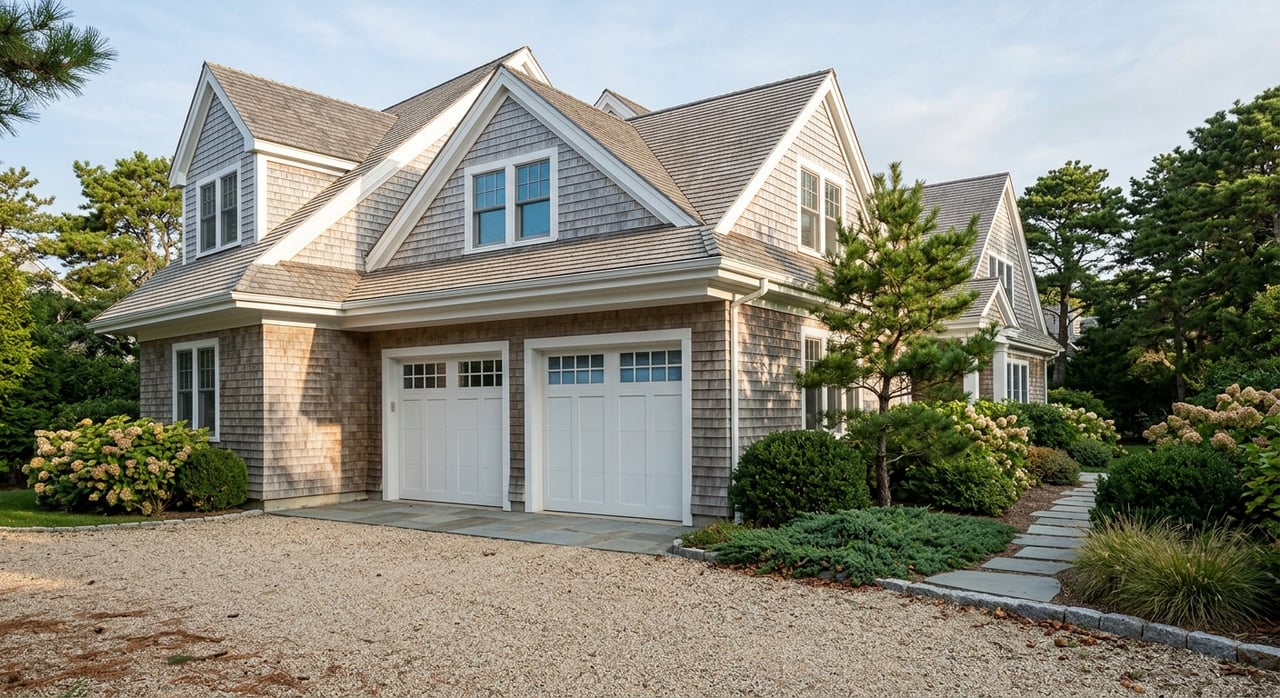
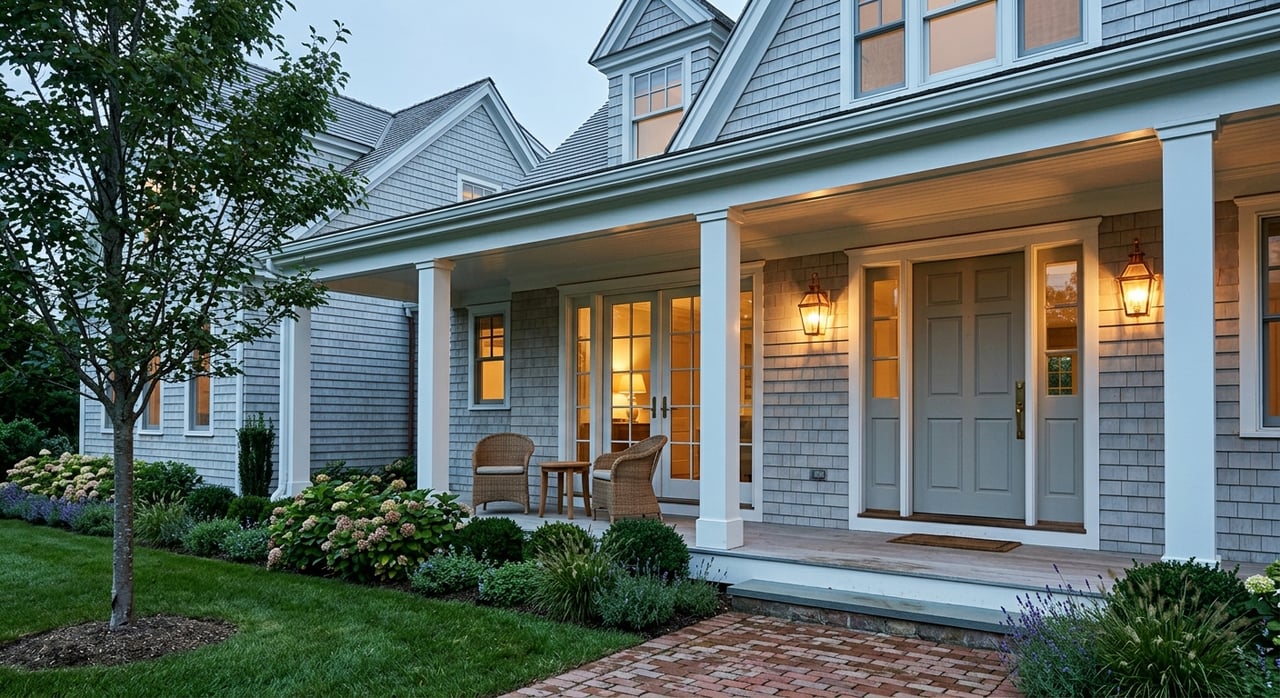
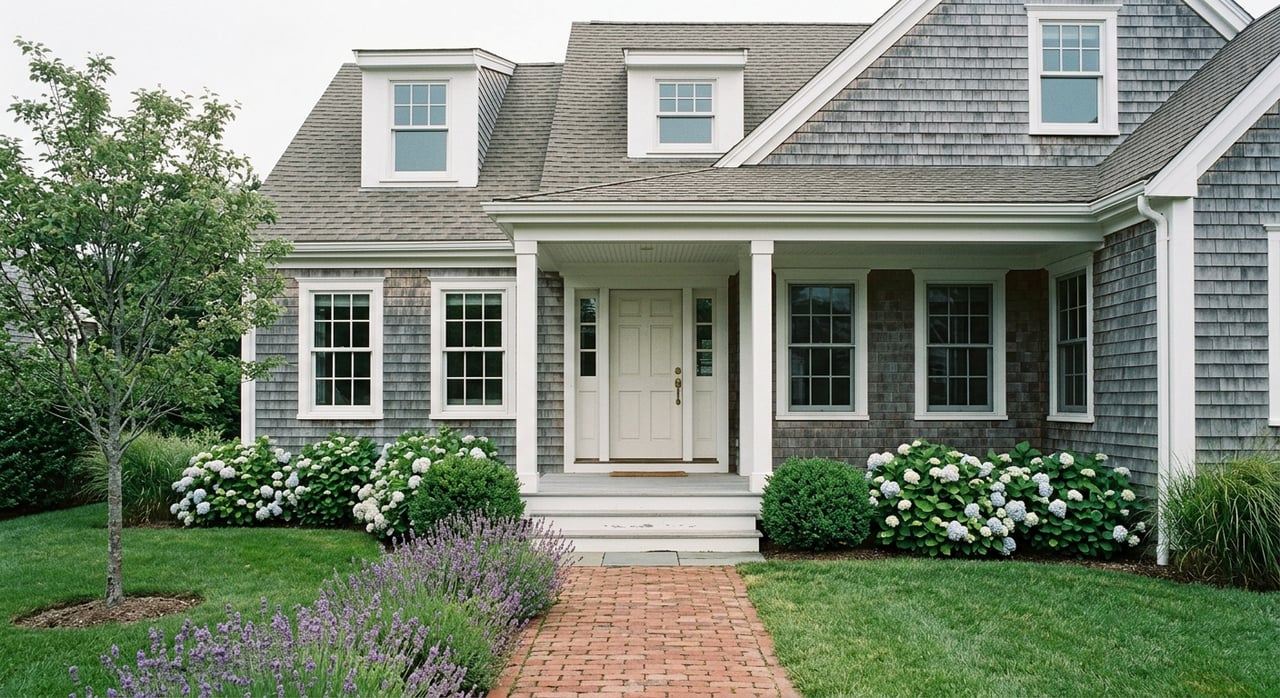
East Hampton Village blends a historic inland center with immediate access to Main Beach, Georgica, Wiborg, Two Mile Hollow, and Egypt Lane. Expect preserved shingle-style cottages beside high-end modern or renovated estates, including pond-front and oceanfront properties that command premium prices. The village has formal cultural anchors and a deep arts history, with Guild Hall in the village and LongHouse Reserve nearby adding to the calendar.
Explore the institutions mentioned above:
- Sag Harbor Whaling & Historical Museum
- Bay Street Theater
- Guild Hall
- LongHouse Reserve
Waterfront and beaches
If your heart is set on ocean swimming and surf, East Hampton Village has an edge. The village manages Main Beach and other oceanfronts through a structured system of beach offices, seasonal lifeguards, and parking permits. Review current access and parking details on the East Hampton Village beaches page.
If you prioritize boating and sunset harborscapes, Sag Harbor fits the brief. The village centers on a deep-water marina environment, with Havens Beach and Long Beach on Noyac Bay, and public waterfront spaces highlighted in the Village of Sag Harbor planning materials. The feel is maritime and walkable, with docks, moorings, and bay access shaping everyday life.
Market snapshot and price points (Q2 2025)
Hamptons medians can shift quickly with a few large sales, especially in small village cores. Still, recent quarter-level reporting offers a helpful starting point:
- Sag Harbor area: median about $2.125M and average about $2.81M in 2Q25.
- Sag Harbor Village: median about $2.45M in 2Q25.
- East Hampton Village: median about $6.0M in 2Q25.
These medians, drawn from Brown Harris Stevens’ Q2 2025 Hamptons Market Report, illustrate the spread between a historic harbor village and an oceanfront, estate-driven market. In practical terms, Sag Harbor often delivers village living and water access at a lower median than East Hampton Village, where ocean and pond-front transactions lift the middle price significantly.
You should revisit the latest quarter before you write an offer, since small samples can move the numbers. Review the Brown Harris Stevens Q2 2025 data for context.
Property types and what to expect
Sag Harbor
- Smaller historic cottages and village houses, many updated.
- Harborfront and bay-view homes, sometimes with slips or nearby marina access.
- Nearby hamlets like North Haven or Noyac can offer larger parcels and different price dynamics.
- Everyday feel is walkable, with shops, restaurants, and a tight village loop.
East Hampton Village
- Classic shingle-style cottages, preserved historic homes, and modern or renovated estates.
- Ocean and pond-front properties at the top of the market.
- Beaches are permit-managed, with lifeguard programs in season.
- Buyers often pay for proximity to ocean access and a prestige address.
Schools and boundaries
Sag Harbor is served by the Sag Harbor Union Free School District, including Sag Harbor Elementary and Pierson Middle/High School. East Hampton Village is served by the East Hampton Union Free School District, which includes John M. Marshall Elementary, East Hampton Middle School, and East Hampton High School. Address-level boundaries do not always match village or postal lines. Before you buy, confirm attendance zones directly with the district office or through your agent. You can start with the Sag Harbor UFSD site to get contacts and district context.
Year-round livability
Both villages support daily needs, though each takes a different shape.
Sag Harbor
- Compact, walkable Main Street with year-round shops, services, and parks.
- A tight community feel and frequent cultural activity at local institutions.
- For major retail and full-service hospital care, residents typically drive to larger centers on the East End.
East Hampton Village
- A broader seasonal retail and dining scene around the village core.
- Formal beach offices and village programs designed for peak-season operations.
- A long-standing arts presence centered on Guild Hall and nearby cultural sites.
For medical planning, residents commonly access Stony Brook Southampton Hospital and Peconic Bay Medical Center by road. You can explore a local overview of hospital and higher-care providers serving Sag Harbor and nearby villages.
Getting there: transportation
- East Hampton Village sits on the Long Island Rail Road Montauk Branch. Train service connects to New York City on year-round schedules that vary by season.
- Sag Harbor does not have a train station. Most residents drive, take coach services like the Hampton Jitney, or connect by taxi to the nearest LIRR station.
- Typical travel times to Manhattan range from about 2 to 4 hours by car or coach, depending on traffic and time of day. Trains often take about 2.5 to 3.5 hours depending on connections and service.
If you plan to commute, test your route on a peak summer Friday and again in the off-season so you know what to expect.
Rules, historic review, and renovations
Both villages include historic districts or protected assets and have permitting processes that affect exterior changes. East Hampton Village applies size and compatibility rules in select neighborhoods to maintain village character. Sag Harbor’s business district and many buildings fall within a National Register historic district that prioritizes preservation. If you plan a large renovation or a new build, factor in architectural review timelines and local approvals before you set your budget and schedule.
Taxes and ongoing costs
Property taxes vary by town, village, and school district, and they depend on assessed value. Because East Hampton Village includes a higher concentration of estate-scale properties, total tax bills can be substantial even where rates are comparable. Ask your agent for recent sample tax bills on comparable homes and confirm details with the appropriate town assessor before you finalize an offer.
Quick decision tool: Sag Harbor or East Hampton?
Use this short checklist to clarify priorities. Give each line a winner and add notes for your search.
- Lifestyle and scale: “I want a compact, walkable harbor village with shops and boating.” Likely Sag Harbor. The village’s planning profile highlights its pedestrian scale and shoreline.
- Beach style: “I value direct ocean swimming, surf, and classic Hamptons beaches.” Likely East Hampton Village. Review the Village Beaches page for access and permits.
- Budget range: “My target buyer budget is about $2M to $3M vs $5M+.” Sag Harbor’s recent medians cluster around the $2M range, while East Hampton Village sits much higher in Q2 2025.
- Schools and kids: “I want a single local public district and short commutes.” Both villages have local UFSDs. Confirm the exact boundary for your address.
- Commute needs: “I prefer train access to NYC.” East Hampton Village has an LIRR station. Sag Harbor requires road or a connection.
- Renovation plans: “I plan a large-scale addition or new build.” Check historic district review and village codes in both villages before you buy.
How to choose your ideal village
Start with your non-negotiables. If ocean swimming and a prestige beach address are top priorities, East Hampton Village may be the right target. If a walkable harbor life, boating culture, and village-scale architecture speak to you, Sag Harbor often delivers a more intimate feel at a lower median price point. From there, layer in school boundaries, commute realities, and renovation goals.
When you are ready to explore, team up with a local advisor who understands block-by-block nuance, knows the permitting landscape, and can guide you to on- and off-market options that fit your lifestyle and budget. If you want that level of care and market access, connect with Dawn Watson to start a focused search.
FAQs
What is the biggest lifestyle difference between Sag Harbor and East Hampton Village?
- Sag Harbor centers on a historic harbor and walkable Main Street, while East Hampton Village revolves around high-profile ocean beaches and a classic shingle-estate streetscape.
How do home prices compare in Sag Harbor vs East Hampton Village in 2025?
- Q2 2025 reporting shows Sag Harbor Village around a $2.45M median and East Hampton Village around $6.0M; medians move with small samples and high-end closings.
Which village is better for frequent NYC commuters?
- East Hampton Village has an LIRR station on the Montauk Branch; Sag Harbor requires coach or car, or a taxi connection to the nearest train.
How does beach access and parking work in East Hampton Village?
- The village manages beach permits, parking, and lifeguard programs seasonally; review current rules on the Village Beaches page before you buy or visit.
What should I know about renovation and historic review?
- Both villages have historic districts and review processes that affect exterior work; verify codes and approvals early if you plan additions or a new build.
Which public schools serve Sag Harbor and East Hampton Village?
- Sag Harbor is served by the Sag Harbor UFSD and East Hampton Village by the East Hampton UFSD; confirm address-level boundaries with the district office before you buy.