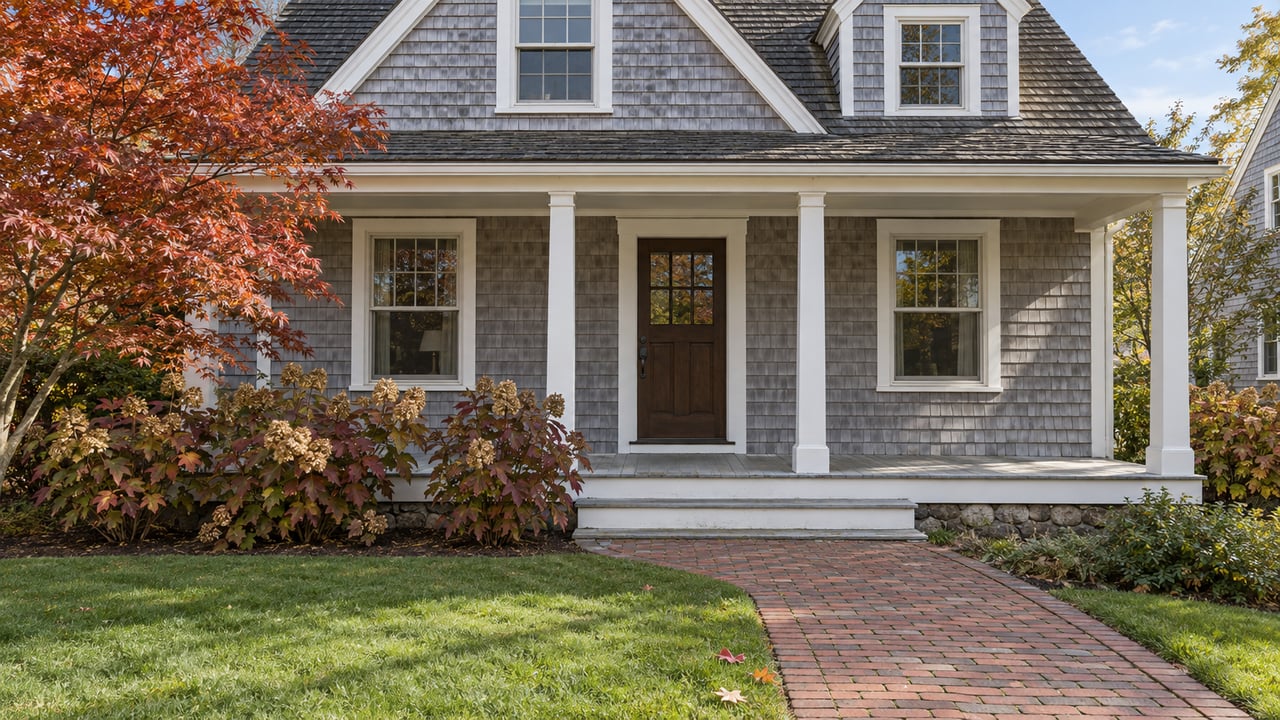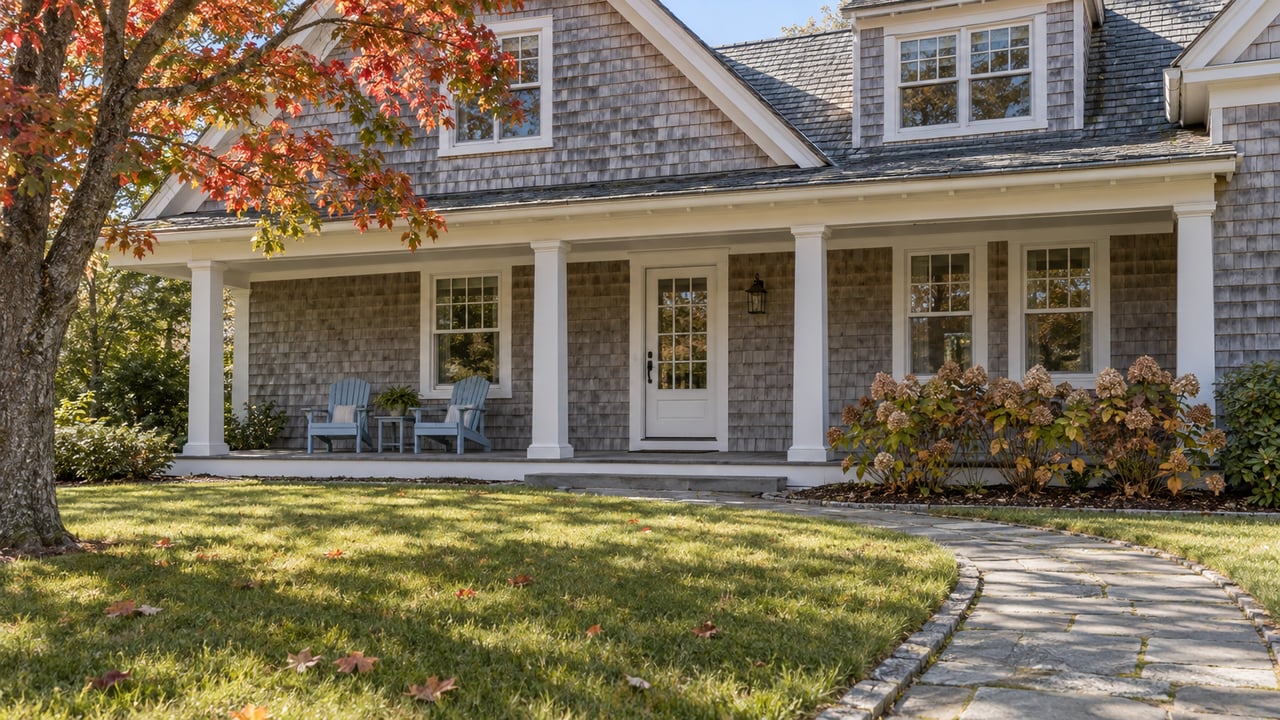
Wondering whether to rent out your Amagansett home or keep it for yourself? It is a common question, especially in a market shaped by strong summer demand, second-home ownership, and local rules that can make renting feel more like a business than a casual side decision. If you are weighing income potential against privacy, flexibility, and peace of mind, this guide will help you sort through the tradeoffs and make a smarter call for your goals. Let’s dive in.
Why Amagansett Changes the Equation
Amagansett sits within the Town of East Hampton, which means your decision is shaped by East Hampton Town rules and market conditions. According to the Town of East Hampton, this is a highly seasonal area, and the Town has also noted a severe housing shortage and rising prices.
That seasonality matters. In one Town economic analysis, East Hampton’s summer population was reported at 293% above its permanent population, and 55% of housing units were identified as seasonal use. In simple terms, that means rental demand can be strongest in peak periods, but it also means you are operating in a tightly watched market where rental activity carries real responsibilities.
What Renting Can Offer
For many owners, the biggest reason to rent is simple: income. If you are not using your Amagansett home year-round, seasonal leasing may help offset carrying costs like taxes, insurance, maintenance, and general upkeep.
Renting can also make sense if your personal use is limited to only part of the year. When a home would otherwise sit vacant during high-demand months, leasing it may turn unused time into meaningful revenue.
There is also a practical middle ground. If you live in the home and want only limited rental income, the Town states that an owner-occupied home does not need to be registered if you rent out one or two rooms, according to the East Hampton Town Rental Registry FAQs brochure.
What Keeping It Private Can Offer
Not every valuable outcome shows up on a spreadsheet. Keeping your Amagansett home private gives you full flexibility to use it when you want, host family and friends, and avoid the logistics that come with turnover, scheduling, and compliance.
For some owners, that freedom matters more than rental revenue. If your home is a retreat first and an asset second, you may decide that uninterrupted personal use and lower management demands are worth more than the income you might generate.
This can be especially true when you consider the full picture. Gross rent is not the same as net proceeds once you factor in taxes, filing requirements, maintenance, and the time involved in preparing the home for guests.
East Hampton Rental Rules to Know
If you are leaning toward renting, local compliance is one of the most important parts of the decision. East Hampton Town requires owners who rent residential property by the week, month, season, or year to register with the Town and obtain a Rental Registry Number, as explained in the Town’s rental registry brochure.
The same brochure says the filing fee is $100 for a two-year term. It also requires a notarized self-inspection checklist and confirmation that a Certificate of Occupancy is on file.
If you advertise the property, the rules continue. The Town says rental advertisements must include the registry number, and the Town code outlines penalties for failing to publish it.
Short-Term Rental Limits Matter
Very short stays need extra caution. Under East Hampton Town code, a single-family residence rented for not more than two weeks on three or more occasions during any six-month period is deemed to be unlawfully operating as a motel.
The Town’s brochure summarizes this in more practical terms: rentals of less than two weeks are limited to twice in six months, while rentals of two weeks or longer do not have that same frequency cap in the brochure summary. If your ideal plan involves frequent short bookings, this rule could materially change your strategy.
Compliance Is More Than Paperwork
Renting a home in Amagansett is not just about finding a tenant or guest. It also means making sure the property meets the Town’s safety checklist items, including visible house numbers, handrails, smoke and carbon monoxide detectors, and, where applicable, pool fencing, alarms, and fireplace or wood-stove safety, as outlined in the Town brochure.
That is an important reality check for owners. If you want a low-touch ownership experience, the upkeep and documentation may feel heavier than expected.
The penalties are also significant. According to the Town code, failure to publish a registry number can carry fines from $150 to $1,500 or up to 15 days in jail, and other violations can bring much steeper penalties for a first offense.
Taxes Can Change the Math
Before you assume rental income will neatly offset ownership costs, look at the tax side. The IRS states in Publication 527 that rental income is generally taxable, while expenses such as maintenance, insurance, taxes, and interest may be deductible, and depreciation may also apply.
The details matter if you also use the home personally. The IRS says that if a dwelling is used as a home and rented for 15 days or more during the year, expenses must be divided between personal and rental use. If it is rented for fewer than 15 days during the year, that rental activity is generally not reported on Schedule E.
New York and Suffolk County add more layers for short-term stays. The New York State tax guidance says short-term rental occupancy is generally subject to sales tax until a guest becomes a permanent resident after 90 consecutive days, and Suffolk County’s combined sales and use tax rate increased to 8.75% effective March 1, 2025.
On top of that, Suffolk County imposes a 5.5% hotel and motel occupancy tax on short-term lodging of less than 30 days, including residences and tourist homes. The county also says Airbnb and VRBO collect and remit that 5.5% tax on behalf of hosts using those platforms, but hosts still need to report gross revenue through the county portal.
When Renting Often Makes Sense
Renting may be the better fit if you do not need full-time access to the home and want to offset carrying costs during periods of high demand. In a place like Amagansett, where seasonality is so pronounced, that can be appealing.
You may also be a strong candidate for renting if you are comfortable with administration, maintenance, scheduling, and compliance. Owners who treat leasing as an active strategy rather than passive income are often better positioned to evaluate whether the numbers and effort line up.
A room-rental approach may also be worth considering if you want some income without giving up the entire property. For the right owner, that can create flexibility while keeping the home primarily personal in use.
When Keeping It Often Makes Sense
Keeping the home private can be the better move if you value spontaneity, privacy, and easy access more than potential rental income. If you use the property often, host guests regularly, or simply do not want your calendar shaped by bookings, staying private may feel like the cleaner choice.
It can also make sense if you want to avoid the extra layers of compliance and reporting. Between registration, safety requirements, tax obligations, and short-term rental limits, some owners decide the operational burden is not worth it.
In other words, the question is not just, "Can this home generate income?" It is also, "Do I want this home to function like a rental property?"
Questions to Ask Yourself
Before you decide, ask yourself:
- How often do you want to use the home during peak season?
- Would rental income meaningfully offset your ownership costs?
- Are you comfortable following Town registration rules and advertising requirements?
- Does your ideal rental plan involve short stays that may run into local limits?
- Are you prepared for added safety, maintenance, and turnover responsibilities?
- Would renting one or two rooms give you a better balance than renting the whole house?
Your answers can make the right path much clearer.
The Best Decision Is Personal and Local
In Amagansett, this is rarely a one-size-fits-all choice. The market may create real rental opportunity, but East Hampton’s rules, taxes, and operational demands mean the best answer depends on how you use the home and what kind of ownership experience you want.
If you are thinking through whether to rent, keep, lease seasonally, or explore a partial-use strategy, it helps to work with someone who understands both the local market and the practical side of ownership on the South Fork. If you want thoughtful guidance tailored to your goals, connect with Dawn Watson.
FAQs
Do you need to register an Amagansett home before renting it?
- Yes. East Hampton Town says owners who rent residential property by the week, month, season, or year must register and obtain a Rental Registry Number.
Are short-term rentals allowed in Amagansett?
- They are regulated. East Hampton Town limits rentals of less than two weeks to twice in six months in the Town brochure summary, and the code says certain repeated short stays can be deemed unlawful motel use.
Does an Amagansett rental listing need a registry number in the ad?
- Yes. East Hampton Town requires rental advertisements to include the Rental Registry Number.
Can you rent part of your Amagansett home without registering it?
- In some cases, yes. The Town brochure says an owner-occupied home does not need to be registered if the owner rents out one or two rooms.
Are taxes due on short-term rental income in Amagansett?
- Yes. Rental income is generally taxable under IRS rules, and New York and Suffolk County may also impose taxes on short-term stays.
If Airbnb or VRBO collects Suffolk County occupancy tax, do you still need to report revenue?
- Yes. Suffolk County says platforms may collect and remit the 5.5% occupancy tax, but hosts still need to report gross revenue through the county portal.