What if Sag Harbor waterfront living is less about docking a boat at one marina and more about living inside a village shaped by the water every day? If you are searching for a Hamptons home with a stronger sense of place, Sag Harbor offers a different rhythm than the typical oceanfront story. Here, you can experience harbor views, walkable streets, public water access, and a downtown that meets the shoreline in a way that feels both practical and deeply rooted. Let’s dive in.
Why Sag Harbor Feels Different
Sag Harbor is a small harbor-centered village in Suffolk County with about 1.72 square miles of land and roughly 3.3 miles of shoreline along Sag Harbor Bay and Sag Harbor Cove. It straddles the Towns of Southampton and East Hampton, and its year-round population was 2,772 in the 2020 census. That scale matters because it helps explain why the waterfront here feels woven into daily life rather than set apart from it.
Village planning materials describe Sag Harbor as a small-scale country village and seaport, with the commercial district radiating from Long Wharf at the northern end of Main Street. In simple terms, the harbor and downtown are connected. You do not have to choose between village convenience and waterfront atmosphere in quite the same way you might elsewhere.
Waterfront Living Means More Than Marina Access
When people picture waterfront living, they often imagine slips, docks, and boats lined up in one place. In Sag Harbor, the experience is broader. The village’s waterfront system includes the Mooring Field, A Dock, B Dock, BB Dock and cables, Marine Park and Marine Park Basin, Dinghy Docks, the Transient Dock, and public water access points at road ends such as Cove Road, Dartmouth Road, Amherst Road, Notre Dame Road, Yale Road, Green Street, and John Street.
That patchwork approach changes how the village feels. Instead of one waterfront zone doing all the work, water access is distributed across the community. For you as a buyer, that can mean several ways to enjoy the harbor, whether you want to be right near the activity or simply live in a village where the water is always close at hand.
The Harbor Shapes Daily Life
Sag Harbor’s boating season runs from April 1 through October 31, and the Harbormaster oversees seasonal and transient dockage and moorings. Marina guests have access to pump-out service, power, showers, potable water, and a short walk to shops, restaurants, and public bus transportation. That practical setup reinforces how functional the waterfront is here.
The waterfront is not only scenic. It also works as infrastructure. A seasonal passenger-only ferry use has been authorized on Long Wharf from May 1 through October 31, showing that the shoreline supports movement and access in addition to recreation.
Long Wharf itself remains a heavily used public space, and seasonal paid parking signals how active it gets in warmer months. If you are considering a home near the harbor, this is important context. The energy can be part of the appeal, but the busiest stretches of the waterfront often have a more social and active feel in season.
A More Walkable Waterfront Experience
One of the most appealing parts of Sag Harbor waterfront living is that it is increasingly pedestrian-friendly. The village has advanced an ADA-accessible boardwalk concept meant to connect Long Wharf, Windmill Beach, and John Steinbeck Waterfront Park. That tells you something important about the local experience: the waterfront is meant to be enjoyed on foot as much as by boat.
John Steinbeck Waterfront Park is described by the village as a gateway to Main Street, with multiple access points, a west-facing beach for sunsets, and fishing under the bridge. For some buyers, that kind of public shoreline experience adds real lifestyle value. It creates an everyday relationship with the water, even if your home is a few blocks inland rather than directly on the edge.
Home Styles Near the Water
Sag Harbor’s waterfront area is not one single housing type. Village zoning includes residential, village business, waterfront, parks and conservation, historic overlay, tidal flood hazard, waterfront overlay, and a Historically Black Beachfront Communities overlay. That range helps explain why the housing patterns feel layered rather than uniform.
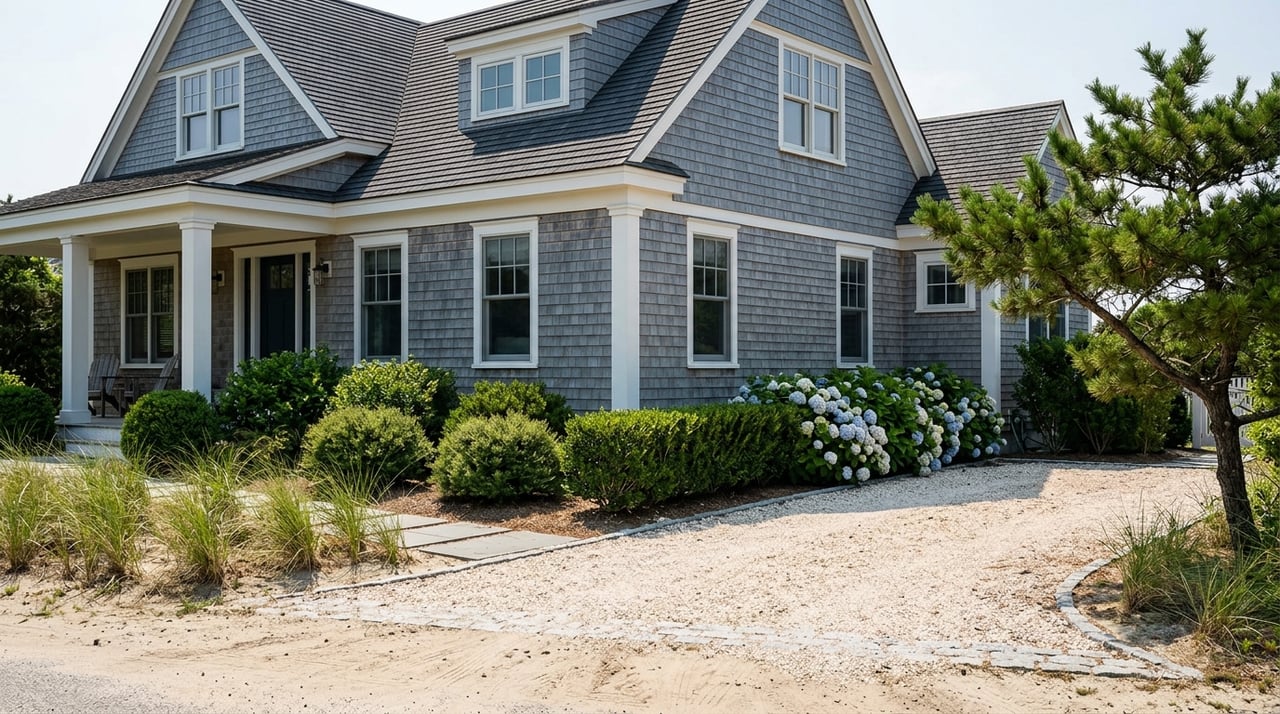
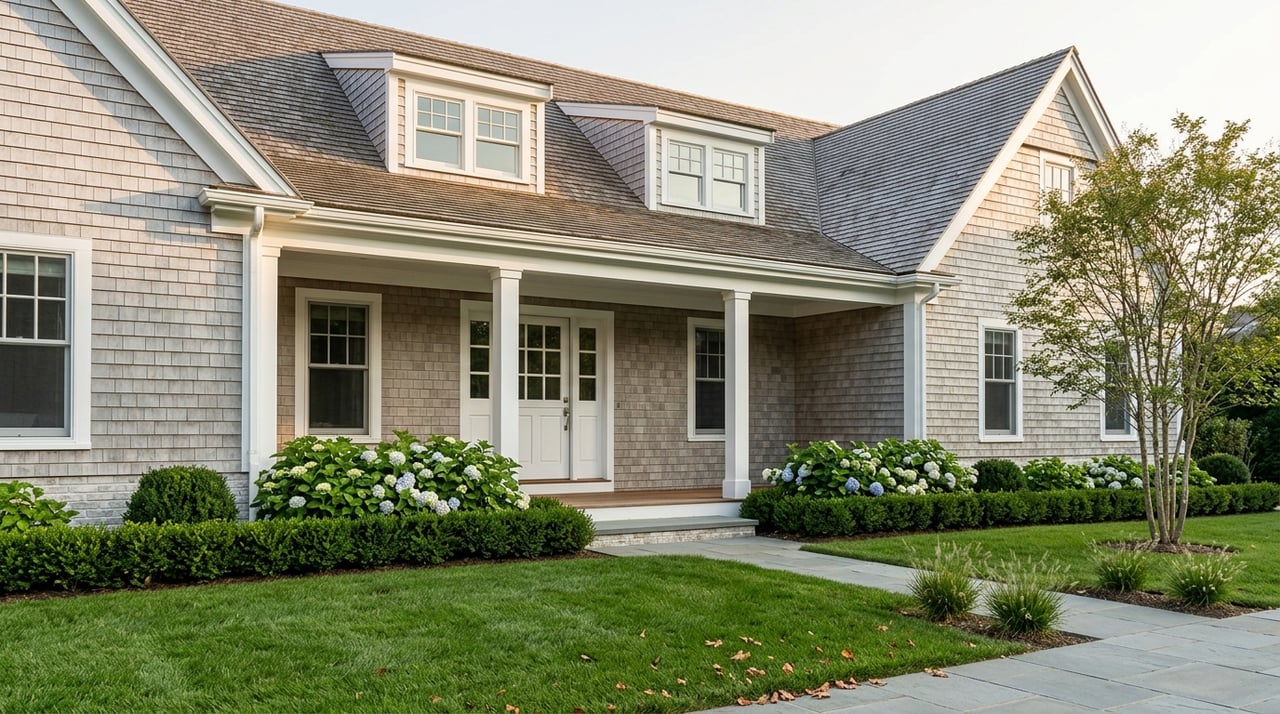
In the historic core, the housing stock is largely village-scale. Historic district materials describe freestanding frame residences on small lots with yards as the dominant pattern, while later twentieth-century homes tend to remain low-rise frame structures that are similar in scale. A more recent historic survey notes that wood-framed houses predominate in styles that include Federal, Greek Revival, Victorian, and Queen Anne.
This is one of the defining features of Sag Harbor. Near the water, you are often looking at homes shaped by village history, modest lot patterns, and architectural continuity rather than the oversized-lot model found in some newer waterfront markets. That can appeal to buyers who want charm, walkability, and a stronger connection to the village fabric.
Mixed-Use Edges Add Character
Planning documents describe a mix of residential and commercial uses around the waterfront, including single-family and multi-family residences, hotels, apartment complexes, marinas, boatyards, retail, offices, restaurants, and services. That mix is a major reason Sag Harbor feels lively and layered. It is not a waterfront that turns empty when the workday ends.
For you, this can create very different buying options. One property may offer a classic village-house setting on a side street, while another puts you closer to the downtown-marina edge and the movement that comes with it. The right fit depends on whether you want more privacy, more walkability, or a balance of both.
Preservation Shapes the Waterfront
The village’s WF Waterfront District was created to preserve public shoreline access, protect harbor and shore views, and reserve shoreline development for uses that benefit from a waterfront location. The Waterfront Overlay District also emphasizes continuity of access to the water, a mix of water-dependent and residential uses, and a pedestrian-friendly environment. In real estate terms, that means the waterfront is guided by policies that value access, views, and compatibility.
That matters for buyers and sellers alike. Homes nearest the water are shaped by rules focused on scale and relationship to surrounding development. In practice, Sag Harbor’s waterfront tends to feel more curated and village-oriented than purely expansive.
Sailing Culture Runs Deep
Sag Harbor’s identity is tied to the water not only through planning and layout, but also through tradition. Sag Harbor Yacht Club notes that competitive sailboat racing dates back to 1886, and its Maycroft Cup was revived in 1997. The clubhouse has been a village landmark since 1914, and the club provides dockage, fuel, and water to transient boaters from April through November.
There is also a strong community-sailing side to the village. Sag Harbor Sailing has operated since 1997 and teaches students from age eight to eighty. Even if you are not a sailor, this adds to the culture of the place. The harbor is not just a backdrop. It is part of how people gather, learn, and spend time.
How Sag Harbor Compares to Other Hamptons Villages
If you are deciding where to buy on the South Fork, Sag Harbor stands apart because it is more harbor-centric than ocean-beach-centric. Nearby villages often build their public identity around ocean beaches. Sag Harbor, by contrast, is organized around moorings, public access points, Long Wharf, harbor views, and a downtown that meets the waterfront directly.
The day-to-day feel is different because of that. Sag Harbor reads more like a working and strolling seaport village than a classic beach village. If you love the idea of waterfront living with more village texture and less separation between home, harbor, and Main Street, Sag Harbor may feel like a natural fit.
What Buyers Should Look For
If you are exploring waterfront or near-water homes in Sag Harbor, it helps to think beyond the phrase “marina living.” Your lifestyle here may be shaped by walkability, seasonal activity, public access, historic housing patterns, and mixed-use surroundings just as much as by direct boating needs.
A few questions can help narrow your search:
- Do you want to be close to Long Wharf and Main Street activity?
- Would you prefer a quieter residential street that still feels connected to the harbor?
- Is public water access nearby more important than direct dockage?
- Are you drawn to historic village architecture and smaller-lot settings?
- Do you want a home base for boating and sailing culture, or simply the atmosphere that comes with it?
These details often shape the right decision more than a simple map search for waterfront parcels. In Sag Harbor, the lifestyle can shift meaningfully from one pocket of the village to the next.
What Sellers Can Highlight
If you are preparing to sell a home in Sag Harbor, the waterfront story should be told with nuance. Buyers are often responding to more than a view line or distance to the water. They may be drawn to proximity to Long Wharf, the village’s harbor-centered layout, public access points, walkable connections, or the architectural character of the surrounding streets.
That is where strong storytelling matters. A Sag Harbor property often benefits from being positioned in the context of how the village lives and moves, not just where the lot sits. Especially in a market where lifestyle and setting carry real weight, the right narrative can help buyers understand what makes a home here distinct.
If you are thinking about buying, selling, or renting in Sag Harbor, working with a local advisor who understands both the village texture and the bigger Hamptons picture can make the process clearer. To start your search or position your home with a story that fits the market, connect with Dawn Watson.
FAQs
What makes Sag Harbor waterfront living different from other Hamptons villages?
- Sag Harbor is centered on a working harbor, public water access, moorings, and a downtown connected to the shoreline, rather than primarily on ocean beaches.
What does waterfront living in Sag Harbor include besides marina access?
- It can include proximity to Long Wharf, public access points, parks, dinghy docks, moorings, harbor views, and walkable streets near the water.
What kinds of homes are common near the Sag Harbor waterfront?
- The area includes village-scale wood-framed homes, many on smaller lots, along with mixed-use blocks and a range of residential settings shaped by historic and waterfront zoning patterns.
What is daily life like near Long Wharf in Sag Harbor?
- Long Wharf is an active seasonal waterfront area that connects closely to Main Street, with parking, harbor activity, nearby shops and restaurants, and strong pedestrian access.
What should buyers consider when searching for a waterfront home in Sag Harbor?
- You should consider seasonal activity levels, walkability, access to public shoreline areas, proximity to Main Street, housing style, and whether you want direct boating access or simply a harbor-centered lifestyle.
Why does storytelling matter when selling a home in Sag Harbor?
- Because buyers often respond to the broader village experience, a strong marketing narrative can highlight how a home connects to the harbor, downtown, architecture, and everyday lifestyle.