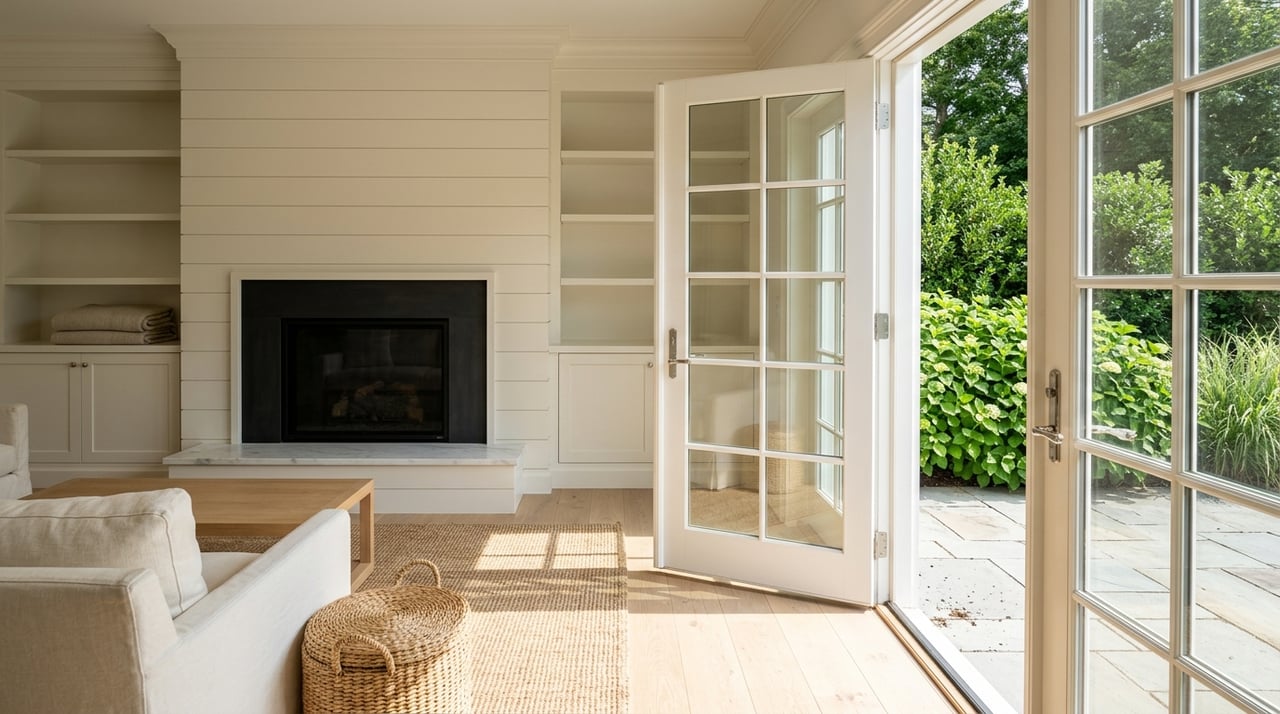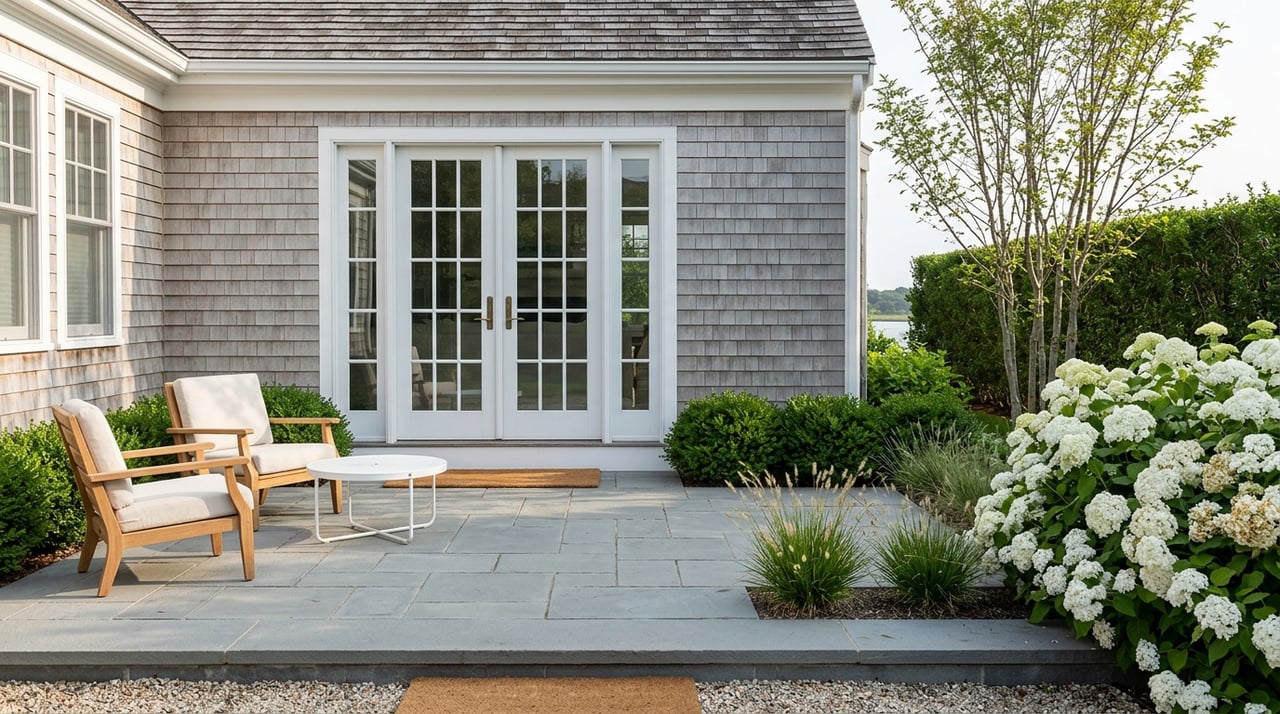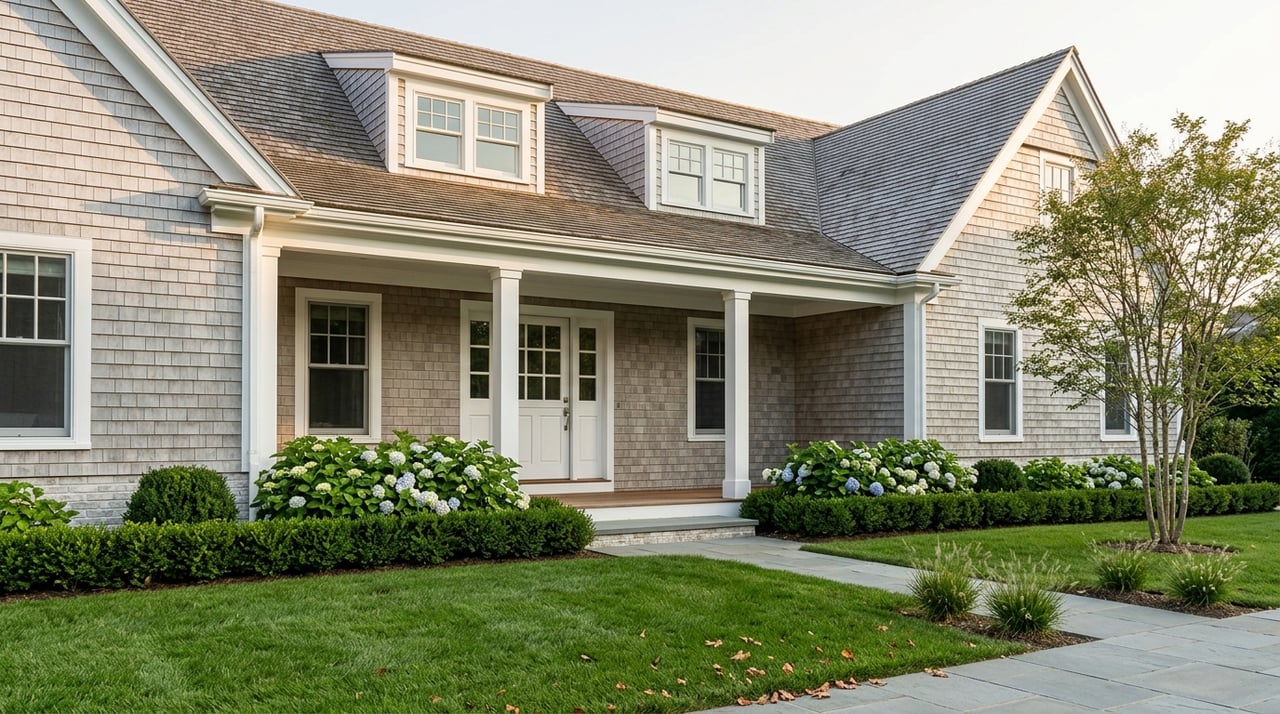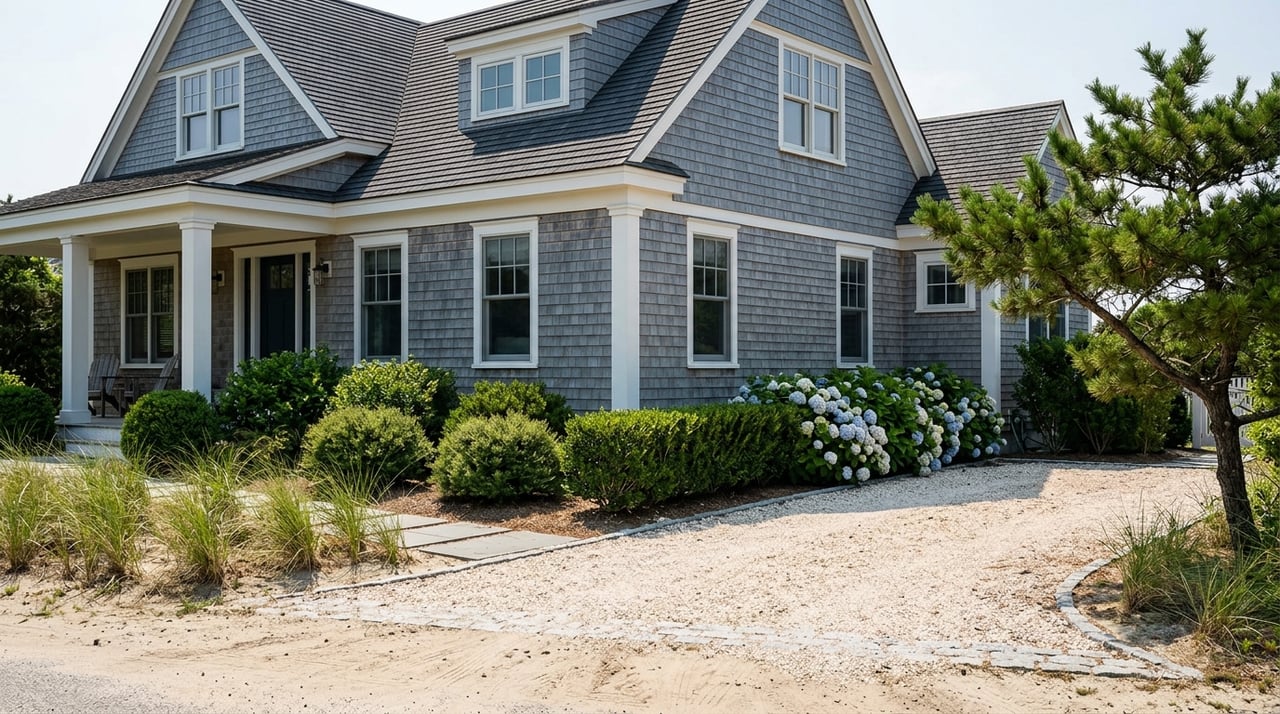
If you are drawn to Amagansett for its beachside calm, old lane patterns, and laid-back South Fork rhythm, the Dunes and nearby lanes offer one of the clearest expressions of that lifestyle. This is the part of Amagansett where shoreline, dune fields, and quiet roads shape daily life in a very real way. If you are thinking about buying, renting, or simply getting to know the area better, understanding how these pockets live day to day can help you make a more confident move. Let’s dive in.
What defines Amagansett Dunes living
Amagansett is a hamlet in the Town of East Hampton on Long Island’s South Fork, and its identity is deeply tied to water, shoreline, and old beach roads. The hamlet stretches from the glacial moraine south across a flat outwash plain to the Atlantic Ocean, with beaches, dune fields, and farmland all playing a role in its landscape.
That setting matters when you zoom in on the Dunes. What locals call the Dunes is a coastal neighborhood south of Montauk Highway, between Mako Lane and Napeague Lane. On town maps, the area is officially called Beach Hampton, and it is known for a mix of paved and unpaved beach roads, tree-lined streets, private roads, and beach access walkways.
Why the Dunes feel different
One of the biggest differences in the Dunes is how the neighborhood is managed and experienced. The area has a private-road, HOA-managed feel rather than the character of a fully public-street neighborhood. The association maintains roads and walkways, and summer security is posted at each beach entrance.
For you as a buyer or renter, that can translate into a more contained and organized beachside setting. It also means access and upkeep are part of the neighborhood experience, not just background details. In a place where coastal wear and seasonal traffic matter, that structure can shape everyday convenience.
Quiet roads and beach pathways
The Dunes association describes the area as quiet, with easy access to both East Hampton and Montauk. That balance is part of the appeal. You get a more residential feel while still staying connected to the larger South Fork.
The beach walkways are another defining feature. Rather than relying only on large public access points, the neighborhood includes member-maintained walkways that reinforce the sense of a tucked-away coastal enclave. For many people, that is the lifestyle draw in a single image: sandy paths, low-key roads, and the ocean close by.
Beach access shapes the lifestyle
In Amagansett, beach access is not just a perk. It is central to how the area lives. But it is important to know that access rules vary depending on the beach.
Atlantic Avenue Beach is lifeguard-protected and offers ADA-accessible rest rooms, a concession stand, daily parking, and vehicular beach access with a Town permit. Indian Wells Beach also has lifeguards and ADA facilities, but its parking is limited to Town residents.
East Hampton Town also installs ADA beach mats at Atlantic Avenue and Indian Wells during the summer season. That adds a level of accessibility that many beach communities do not offer in the same way.
Seasonal rules to know
Beach use in this part of the South Fork comes with seasonal management. On the Amagansett ocean beach between Indian Wells Beach and Atlantic Avenue Beach, vehicles are seasonally prohibited from the Thursday before Memorial Day through September 15, from 10 a.m. to 6 p.m.
If beach driving matters to you, that is the kind of practical detail worth understanding early. The same goes for parking rules, resident access, and permit requirements. In a market where lifestyle often drives buying decisions, these specifics can make a real difference.
Nature is part of the setting
Just east of the main beach system, the Amagansett National Wildlife Refuge protects a 36-acre Atlantic-front double-dune system. The beach section is open to the public, but the back-dune area is closed to entry, and public beach access is closed from March 30 through August 31 to protect nesting shorebirds.
This is part of what gives the area its distinct feel. The landscape is not overly built out, and there is a clear sense that the shoreline is both enjoyed and protected. If you value a more natural coastal environment, that can be a meaningful part of the appeal.
The character of the lanes
Amagansett’s lanes carry a different kind of value. They are not just routes from one place to another. They help define the visual rhythm and historic feel of the hamlet.
Town historic district guidelines describe Amagansett as an open, rural setting with open front yards and traditional fences. Historic houses, barns, community buildings, and small-scale commercial buildings all contribute to the streetscape, with wood shingles and clapboard playing a major role in the local architectural language.
Bluff Road and ocean-close history
Bluff Road is one of the strongest examples of this dunes-and-lanes identity. The Town of East Hampton identifies the Bluff Road Historic District as a group of 14 summer cottages built between 1892 and 1915 along the bluff overlooking the dunes and the Atlantic Ocean.
These homes are modest and informal in character, with strong Shingle Style features such as irregular rooflines, verandas, upper-story porches, and natural shingle siding. Their relationship to the ocean and the open double-dune area is one of the district’s defining traits.
The broader hamlet study also notes that Bluff Road was one of Amagansett’s early summer colonies. It adds that Amagansett includes a section of Further Lane only a block from the ocean. For you, that means lane living in this area often comes with scenic, ocean-close settings and a stronger preservation context than you might find in a newer subdivision.
Design review matters here
If you are considering renovation or a significant exterior update, local design guidelines are important. The Town’s historic district rules emphasize compatibility in materials, siting, spacing, and neighborhood character.
That does not mean contemporary design is off the table. The guidelines allow it when it relates appropriately to the district’s existing forms, materials, and spacing. Still, if you are buying with plans to change a home, it helps to understand that the lane-side charm often comes with more review than a standard coastal neighborhood.
Daily life in the Dunes and lanes
Taken together, the Dunes and nearby lanes offer a slower, more residential pace than a more commercial village center. Quiet roads, open space, and small-scale development patterns help shape the atmosphere.
At the same time, daily convenience still matters. The Dunes association points to Main Street and Amagansett Square as anchors for shops and restaurants, which helps connect beachside living with an easy village routine.
A seasonal rhythm with year-round function
Seasonality is part of life here. Amagansett was one of the first East Hampton areas to attract summer visitors, and in season the local pattern includes strolling, window-shopping, and moving easily between the beach and the hamlet center.
For year-round residents, there is practical infrastructure too. The South Fork Commuter Connection includes Amagansett and provides last-mile shuttle service from the LIRR stations. If you are balancing East End living with regional travel, that can be a useful part of the picture.
Who this lifestyle tends to suit
The Dunes and lanes can appeal to different kinds of buyers, but the common thread is usually lifestyle. If you want close proximity to the ocean, a quieter residential setting, and a strong sense of place, this area stands out.
You may also appreciate it if you value architectural context and the visual continuity of older Hamptons streetscapes. The roads, cottages, dunes, and beach paths create an experience that feels rooted in Amagansett’s history rather than built around newer master-planned patterns.
For some buyers, the key advantage is emotional as much as practical. There is a certain ease in being able to step into a neighborhood where the coastal setting, built character, and everyday pace feel aligned.
What to consider before you buy
Before you make a move in the Dunes or along Amagansett’s notable lanes, it helps to look beyond the postcard appeal. This is a market where small location details can have a big impact on your experience.
Here are a few smart questions to ask:
- Is the property on a private road or a public street?
- What access rights or neighborhood association rules apply?
- Which beach access points are nearby, and what seasonal rules affect them?
- Is the home within a historic district or subject to design review?
- If you plan to renovate, what approvals may be required?
- How do you plan to use the property, seasonally or year-round?
These questions can help you match the romance of the setting with the practical realities of ownership.
If you are exploring Amagansett, the Dunes and lanes are worth understanding on a block-by-block level. The difference between two nearby properties can come down to road structure, access, historic context, or how directly the beach is part of your daily routine. When you know how the area truly works, you can choose with more clarity and confidence.
If you are ready to explore Amagansett with a local perspective and a thoughtful, concierge-style approach, connect with Dawn Watson.
FAQs
What is the Amagansett Dunes area?
- The Amagansett Dunes is a coastal neighborhood south of Montauk Highway between Mako Lane and Napeague Lane, officially mapped as Beach Hampton and known for private roads, beach walkways, and a quiet beachside setting.
What makes Amagansett lane living distinct?
- Lane living in Amagansett often means scenic, ocean-close roads with historic character, open-space patterns, and homes shaped by local architectural context rather than newer subdivision design.
Are Amagansett beaches easy to access?
- Beach access is a major part of the lifestyle, but rules vary by location, with different parking policies, permit requirements, seasonal vehicle restrictions, and accessibility features depending on the beach.
What should buyers know about historic districts in Amagansett?
- If a property is in or near a historic district, exterior changes may be subject to local design review focused on compatible materials, siting, spacing, and neighborhood character.
Can you live in Amagansett year-round?
- Yes, and while the area has a strong seasonal rhythm, year-round residents also benefit from hamlet amenities and commuter support such as the South Fork Commuter Connection serving Amagansett.