Wondering whether a condo, cottage, or village home is the right fit in Sag Harbor? It is a smart question, because in a village this compact and historic, your choice is about more than style alone. If you want the right mix of ease, privacy, flexibility, and long-term value, understanding how Sag Harbor works can save you time and costly surprises. Let’s dive in.
Why property type matters in Sag Harbor
Sag Harbor is an incorporated village in Suffolk County with only about 2 square miles of land. That small footprint means micro-location can shape your experience just as much as the home itself.
A quiet side street, a location near the marina area, or a property inside the historic district can change what ownership feels like day to day. In Sag Harbor, the decision is often less about picking a favorite look and more about choosing the level of autonomy, maintenance, and review that suits your goals.
Condos in Sag Harbor
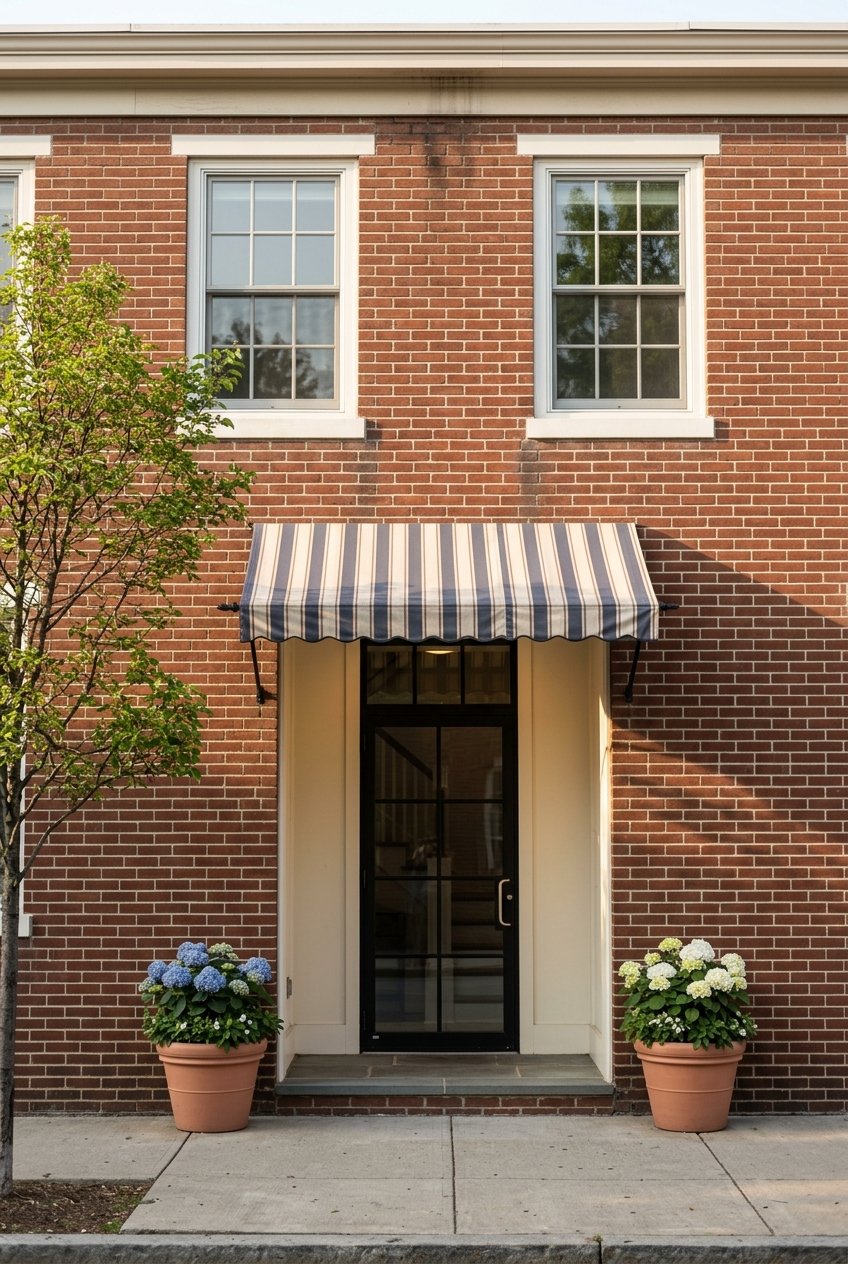
Condos often appeal to buyers who want a simpler ownership experience. If you prefer less exterior maintenance and a more lock-and-leave lifestyle, a condo may feel like the easiest option.
That convenience comes with tradeoffs. Condo ownership usually includes dues that are paid separately from your mortgage, and you may have less control over rules, building decisions, and some aspects of property use.
When a condo makes sense
A Sag Harbor condo may be a strong fit if you value:
- Lower day-to-day maintenance
- A smaller ownership footprint
- Easier seasonal use
- Less responsibility for exterior upkeep
For many buyers, that simplicity is the biggest advantage. If your priority is enjoying Sag Harbor without taking on the full workload of a detached home, condos can offer a practical path.
What to check before buying a condo
In New York, condo sales are governed through offering plans reviewed by the Attorney General. That makes document review especially important.
Before moving forward, ask about:
- Monthly condo or HOA dues
- Board rules and restrictions
- Offering-plan disclosures
- Whether the unit can legally be rented
Rental rules matter in Sag Harbor. The village rental registry does not allow a rental permit for a non-owner-occupied short-term rental property, and seasonal rentals must be at least 30 consecutive days, with only limited two-week rentals allowed in a calendar year.
Cottages in Sag Harbor
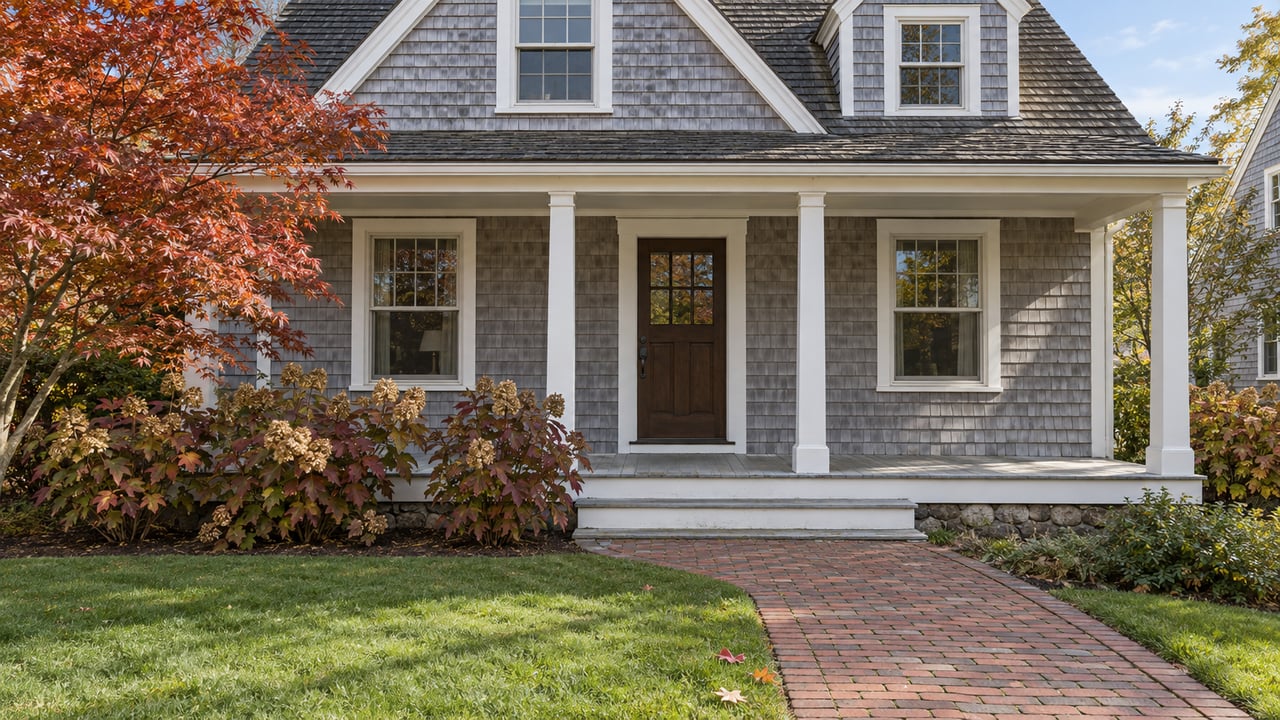
In this comparison, a cottage is best understood as a smaller freestanding home, not a separate legal category. For many buyers, the appeal is obvious: you get the charm and privacy of a detached house without stepping into the scale of a larger village home.
Cottages often feel deeply tied to Sag Harbor’s identity. They can offer cozy proportions, outdoor space, and a classic village setting that many buyers picture when they imagine owning here.
Why buyers love cottages
A cottage may be the right fit if you want:
- More privacy than a condo
- A smaller footprint than a larger house
- A detached-home feel
- Historic character or village charm
That said, charm and flexibility do not always go hand in hand. Older homes can bring more uncertainty around repairs, upgrades, and future expansion.
Cottage cautions in Sag Harbor
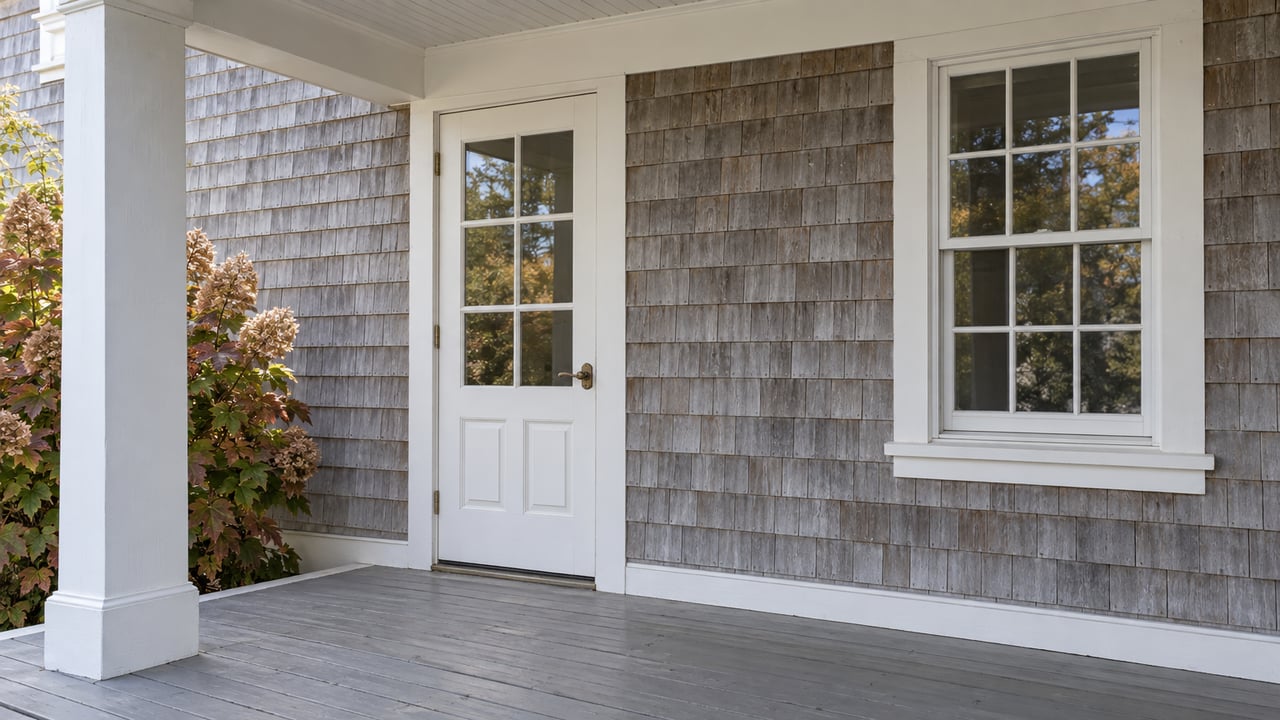
If a cottage is inside the historic district, exterior work visible from the street or adjacent property needs a certificate of appropriateness. That can affect renovation plans and how easily you can change the exterior over time.
Lot size, setbacks, and district rules also matter. The Building Department notes that buildability cannot be pre-judged and that Suffolk County Health Department or Department of Environmental Conservation requirements may also affect what is feasible.
For that reason, a cottage search should include early questions about what you can change, not just what looks charming today.
Village homes in Sag Harbor
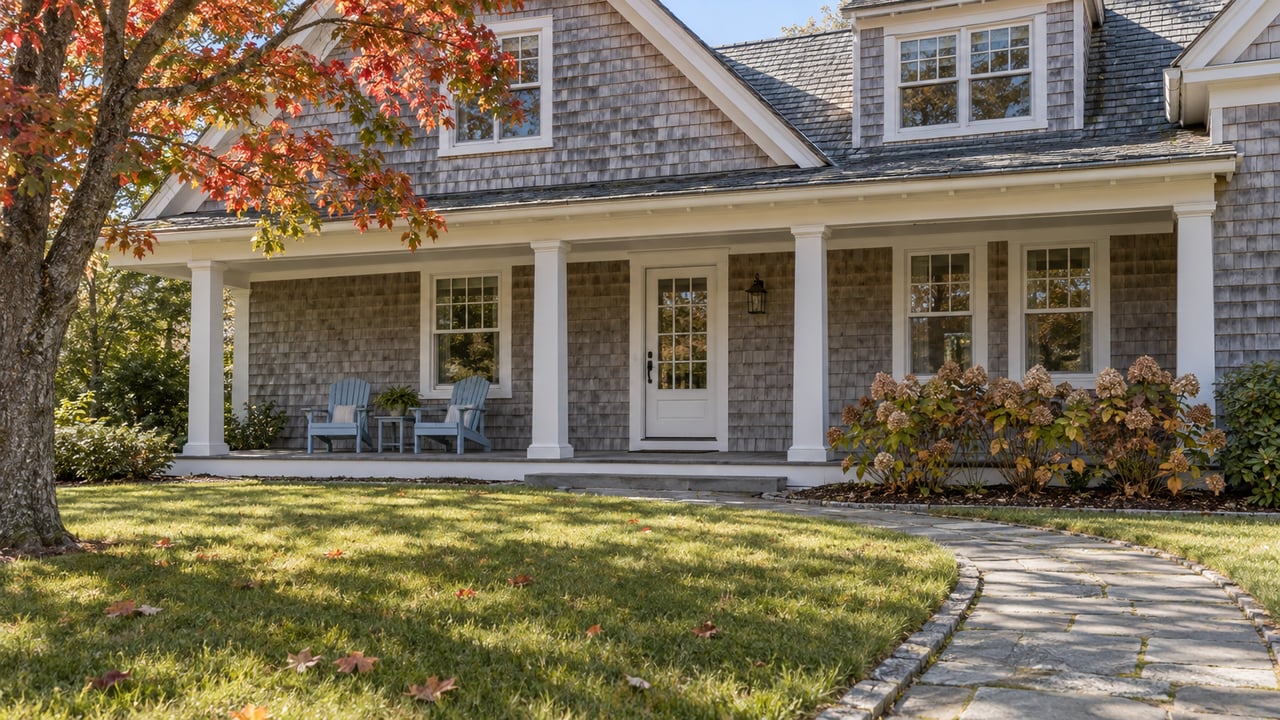
Village homes, especially detached one-family homes, are the most traditional fit for Sag Harbor’s principal residence district, known as R-20. If you want space, privacy, and the strongest sense of control, this category often gives you the broadest ownership experience.
Many buyers see village homes as the best long-term option because they offer more room to live, host, and grow into the property over time. You may also have more yard use and more flexibility for how the home supports your lifestyle.
Why village homes stand out
Village homes are often appealing because they can offer:
- More interior and exterior space
- Greater privacy
- More direct control over the property
- Potential long-term flexibility
Sag Harbor also allows accessory apartments in the R-20 district. That can be useful for multigenerational living or long-term income planning, though any rental use still has to comply with village rental registry rules.
The tradeoff with village homes
More control usually means more responsibility. With a detached home, you are also taking on the full burden of exterior maintenance, repairs, and ongoing upkeep.
And historic review may still apply. If the property is in the historic district, exterior work may require approval, even if the home itself offers more autonomy than a condo.
Compare your three options
If you are choosing between condos, cottages, and village homes in Sag Harbor, this quick comparison can help clarify the tradeoffs.
| Property Type | Main Advantage | Main Tradeoff | Best For |
|---|---|---|---|
| Condo | Lower maintenance | Less control, dues, and possible rental limits | Buyers who want simplicity and easier seasonal use |
| Cottage | Charm and privacy in a smaller footprint | Older-home upkeep and possible limits on changes | Buyers who want character without a larger house |
| Village Home | Space, privacy, and long-term control | More maintenance responsibility | Buyers who want flexibility and a traditional ownership feel |
What should drive your decision
The best choice usually comes down to how you want to live in Sag Harbor. A condo may be ideal if ease matters most. A cottage may feel right if you are drawn to character and a detached-home feel. A village home may be the better fit if you want control, space, and room to plan long term.
Instead of asking only, “Which one is nicest?” it helps to ask a more practical set of questions. Think about how often you will be here, how much maintenance you want to manage, whether rental use matters, and how important future renovations or expansion might be.
Questions to ask yourself first
Before you schedule showings, it helps to get clear on your priorities:
- Do you want low-maintenance ownership or full control?
- Will you use the property seasonally or year-round?
- Does legal rental flexibility matter to you?
- Are you comfortable with the upkeep of an older home?
- Do you want the option to expand or rework the property later?
- Does harbor access or a marina-area location matter to your lifestyle?
Those answers can narrow the field quickly. In Sag Harbor, ownership structure and micro-location often matter just as much as square footage or finishes.
Local due diligence that matters
Sag Harbor is not the kind of market where you want to make assumptions. Because the village has zoning layers, historic protections, and rental rules, early due diligence can make your home search much smoother.
Confirm zoning and historic status
Start by confirming the zoning district and whether the property sits inside the historic district. Sag Harbor’s code includes one-family, waterfront, business, office, and historic-preservation layers, and exterior work that falls under review cannot receive a building permit until a certificate of appropriateness is in place.
Ask rental questions early
If rental use is part of your plan, ask about it right away. The village rental registry applies broadly, and non-owner-occupied short-term rentals cannot receive a permit. Seasonal rentals must meet minimum-stay rules.
Verify future buildability
If you think you may want to expand later, verify that early in the process. The Building Department says it cannot pre-judge whether a lot is buildable, and outside agency requirements may affect what is possible.
Look beyond the address
If harbor access matters, do not stop at the listing description. The Harbormaster oversees dockage and moorings, and the village notes that services like shopping, fuel, ice, marine services, restaurants, and laundry are within walking distance of the marina area.
The bottom line for Sag Harbor buyers
In Sag Harbor, the smartest purchase is rarely just about style. It is about choosing the right balance of convenience, privacy, flexibility, and responsibility for the way you want to live.
A condo can simplify ownership. A cottage can deliver charm and a smaller detached-home feel. A village home can offer the strongest sense of control and long-term use. The right answer depends on your goals, your timeline, and how carefully the property fits Sag Harbor’s local rules and rhythms.
If you want a thoughtful, hyperlocal read on which type of Sag Harbor property fits your plans, connect with Dawn Watson to start your Hamptons search.
FAQs
What is the main difference between a condo and a village home in Sag Harbor?
- A condo usually offers lower maintenance but less control, while a village home usually offers more privacy, yard use, and flexibility but also more maintenance responsibility.
What should you know about cottages in Sag Harbor before buying?
- A cottage is typically a small detached home, and you should check lot rules, setbacks, historic district status, and how much flexibility you have for future exterior changes.
Can you rent out a Sag Harbor condo or home seasonally?
- Rental use must comply with the village rental registry, and non-owner-occupied short-term rentals cannot get a permit, while seasonal rentals must meet minimum-stay rules.
Why does the historic district matter when buying in Sag Harbor?
- If a property is in the historic district, exterior work visible from the street or adjacent property may require a certificate of appropriateness before a building permit can be issued.
What should drive your choice between condos, cottages, and village homes in Sag Harbor?
- Your decision should be guided by the mix of maintenance, privacy, autonomy, rental goals, and renovation flexibility that best fits how you plan to use the property.