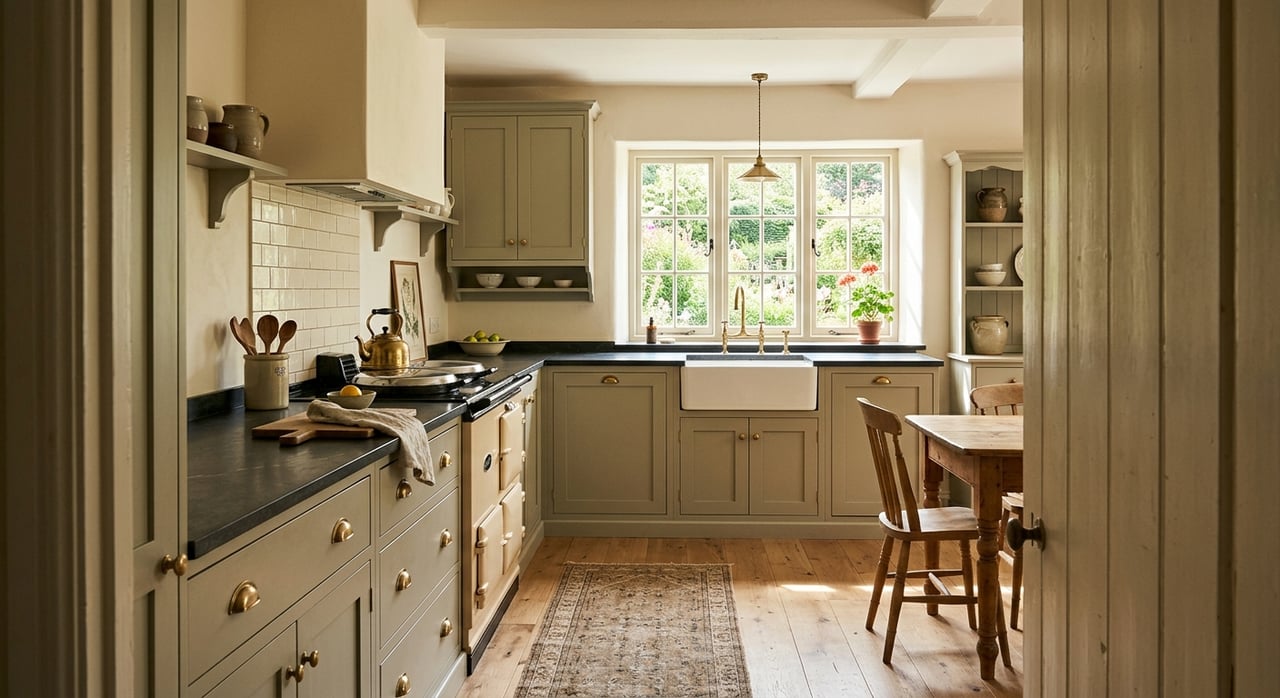
Dreaming of a charming cottage in Amagansett? You are not alone, but this is one of those markets where the romance comes with real constraints. If you are hoping to buy a smaller home near the beach, it helps to understand what “cottage” really means here, what the numbers are telling you, and where due diligence matters most. Let’s dive in.
Amagansett cottage market basics
Buying a cottage in Amagansett often means entering a small, expensive, and highly variable market. As of February 28, 2026, Zillow’s Amagansett home value data reported an average home value of $2,948,841, 35 active listings, and a median list price of $3,680,833.
Other market trackers show different headline numbers, which is important context for you as a buyer. Realtor.com reported 59 homes for sale, a median home sale price of $4.50M, 116 median days on market, and a 94% sale-to-list ratio in February 2026, while Redfin reported a February 2026 median sale price of $2.6M, down 20% year over year, according to the same Zillow market overview source.
That spread does not necessarily mean the market is confusing. In a place with limited inventory, a few high-end or waterfront sales can shift medians quickly, so any one number is best treated as directional rather than exact.
Seasonality also shapes what you will see. The Amagansett Hamlet Report states that 35% of housing units in the Amagansett CDP are year-round houses and 65% are seasonal housing, which helps explain why inventory can feel tight even when the area is active.
What “cottage” means here
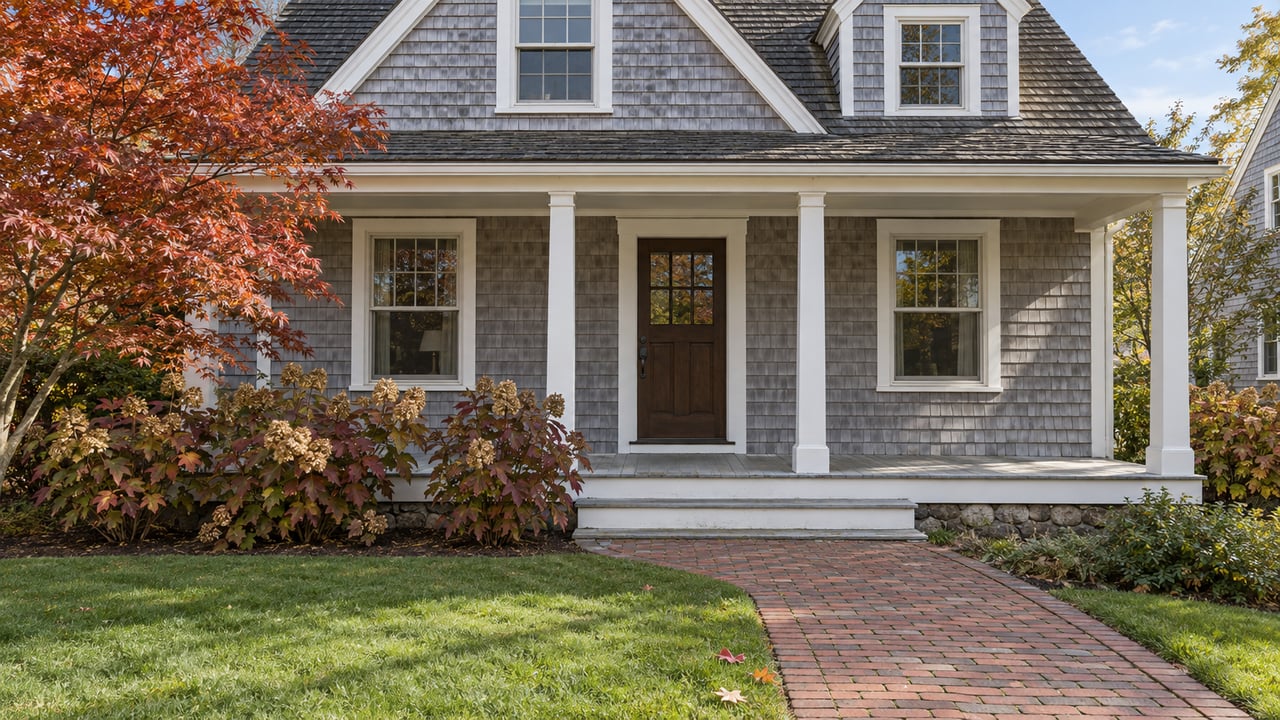
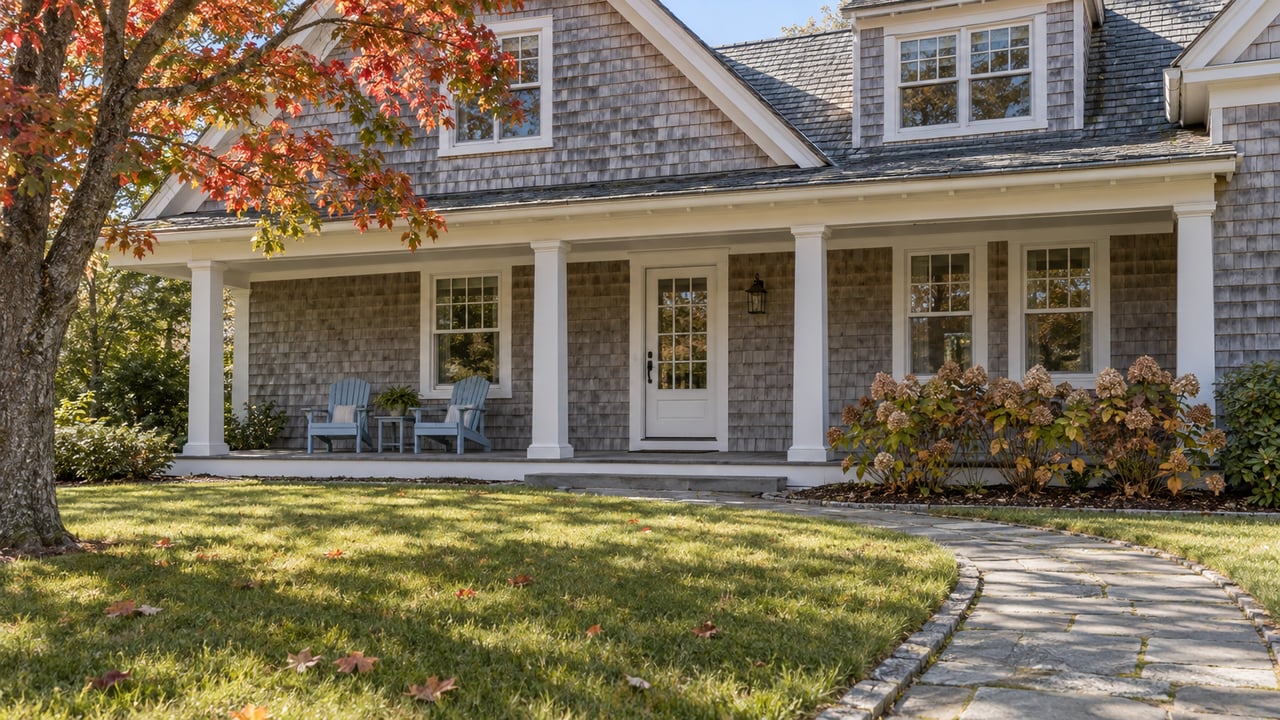
In Amagansett, “cottage” is not one fixed property type. It can describe an older farmhouse, a modest summer house, a shingle-clad beach home, or a renovated small-footprint property with updated systems.
The local housing story helps set expectations. The History of the Village of East Hampton notes that Amagansett’s first summer cottage was built in 1884, and five Shingle-style cottages followed on Bluff Road in the 1890s.
By 1916, fourteen cottages lined the north side of Bluff Road. That same historical record notes that year-round housing built between 1875 and 1910 often featured vernacular Victorian details like L-shaped plans, cross-gable roofs, front porches, and decorative shingle trim.
Today, that history still shows up in the housing stock. The Amagansett Hamlet Report explains that the Amagansett Historic District runs along Main Street and includes a concentration of 18th- and 19th-century farmhouses, while the Bluff Road Historic District reflects one of the town’s early summer colonies with Shingle-Style cottages.
So if you are imagining a neat, uniform set of “starter cottages,” that is usually not what you will find. Instead, expect a market with older homes, varied layouts, strong architectural character, and a wide range of condition levels.
Why character often costs more
A smaller cottage in Amagansett is not necessarily a lower-cost entry point in the way it might be in another town. Here, buyers are often paying for location, rarity, beach proximity, architectural charm, and access to a very limited coastal hamlet.
That is part of what makes Amagansett so appealing. The Hamlet Report notes that the Napeague area is a New York Scenic Area of Statewide Significance, recognized for unspoiled beaches, dunes, farmland, meadows, scenic views, and rural character.
In practical terms, your budget may buy less square footage than you expect. But what you get in return can be a distinctive home in one of the East End’s most sought-after settings.
Renovation is where buyers need to be careful
If you are buying a cottage with plans to expand or refresh it, this is the part to study closely. In Amagansett, it can be easier to buy a small home than to significantly change it.
The East Hampton Town Architectural Review Board reviews the architecture, design, scale, and style of certain buildings and historic-district improvements to ensure compatibility with the town’s essential character. That matters if the property is in a historic area or if your plans affect the exterior.
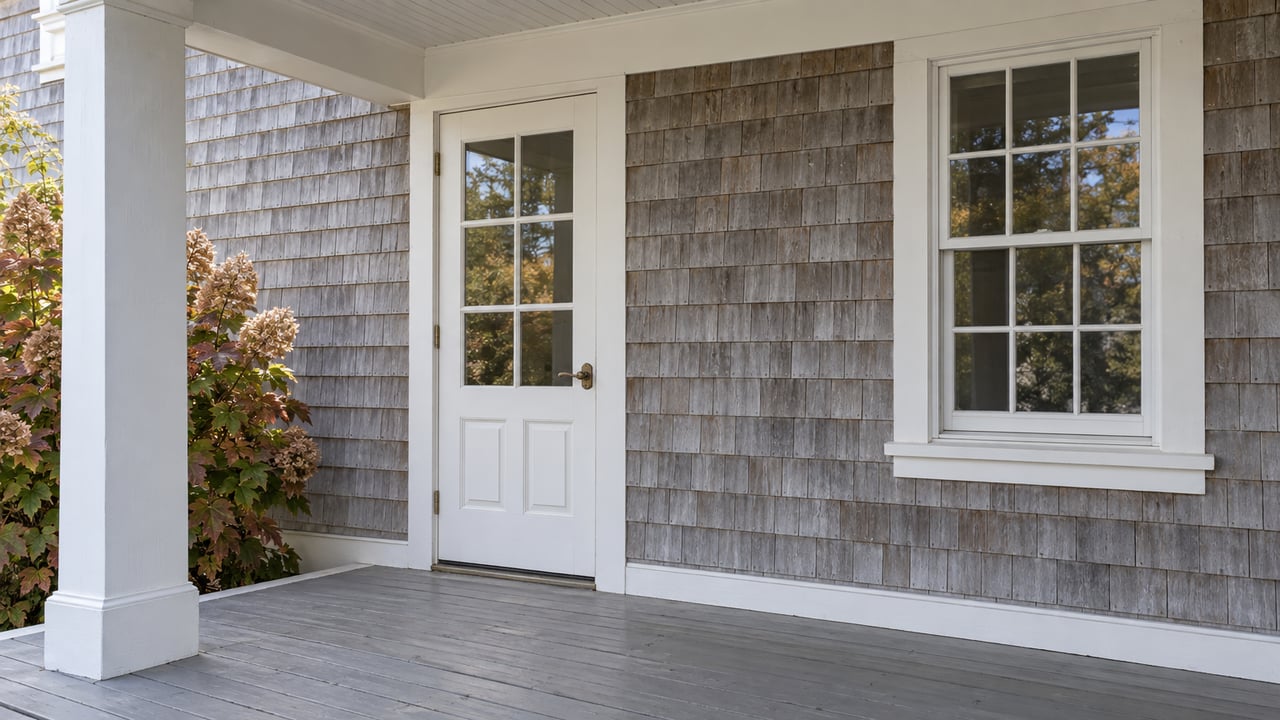
The local rules are especially protective of historic materials and streetscape character. According to the Amagansett Historic District regulations, wood-shingle exteriors predominate on Main Street, historic buildings with wood-shingle or clapboard walls should retain that treatment, and demolition or relocation requires ARB-approved plans for replacement or new site use.
For you, that means a renovation budget is only part of the equation. You also need to understand the likely review process, the limits on exterior changes, and whether your vision fits the site and local rules.
Size limits and permit rules matter
Lot size does not always translate into unlimited expansion potential. The East Hampton Town Building Department says permit applications must be submitted digitally through OpenGov, and a 2025 code change caps single-family gross floor area at 7% of lot area plus 1,500 square feet, or 10,000 square feet, whichever is less.
That same department also requires a staked survey showing the clearing envelope for permit applications that include clearing. If you are looking at a cottage with plans for additions, accessory improvements, or major outdoor work, these details can affect both timeline and feasibility.
This is why pre-offer diligence matters so much in Amagansett. A home’s current footprint, lot conditions, and permitting path can be just as important as its finishes.
Flood and septic due diligence
Coastal charm comes with technical questions, especially for smaller older homes. Flood exposure should be one of the first items on your checklist.
The East Hampton Town Planning Department says minimum elevation requirements in flood hazard areas are being revised under New York State code, with changes taking effect on December 31, 2025. The department also advises that projects in flood hazard overlay zones should consult the applicable New York State Building Code.
Wastewater systems are another major issue. According to the East Hampton Town Septic Incentive Program, many developed parcels still use antiquated cesspools or traditional leach fields, and the town offers rebates of up to $20,000 in the Water Protection District and $15,000 elsewhere for approved low-nitrogen system upgrades on existing systems.
For buyers, that means you should confirm what system is in place, its age and condition, and whether future upgrades may be needed. A pretty cottage with deferred infrastructure can become a very different purchase once those costs are clear.
Beach lifestyle and practical tradeoffs
A big part of the Amagansett draw is beach access, but it helps to understand how that works day to day. Fresh Pond Park/Beach and other town-managed Amagansett beaches are part of the local lifestyle, and the town notes that parking or vehicular beach access may require permits, while some bay beaches are swim-prohibited and have no lifeguard on duty.
That creates an important buying insight. You may not need to stretch for a prime waterfront address to enjoy the Amagansett experience.
A smaller inland cottage or a home that is less waterfront-adjacent may still give you access to beaches, village amenities, and the relaxed coastal setting that draws people here in the first place. In a high-value market, that kind of compromise can make your purchase much more workable.
Smart expectations for cottage buyers
If you want to buy well in Amagansett, it helps to focus on the tradeoffs that matter most. In many cases, the best purchase is not the largest home or the one with the biggest renovation upside.
Instead, the strongest opportunities are often homes with:
- A location that supports your lifestyle priorities
- Solid systems or a clear path to needed upgrades
- A footprint that already works reasonably well
- Architectural character that holds long-term appeal
- A realistic fit between your goals and local permitting rules
In a market shaped by seasonal ownership, preservation concerns, and limited supply, a turn-key cottage or a well-sited older home can be a cleaner and less stressful purchase than a major project.
Final thoughts on buying in Amagansett
Buying a cottage in Amagansett usually means paying for character, scarcity, and coastal access, not just square footage. You should expect limited inventory, premium pricing, and important due diligence around historic review, flood exposure, septic systems, and buildability.
The upside is that a smaller home here can still offer a meaningful foothold in one of the Hamptons’ most distinctive places. If you want a thoughtful strategy for finding the right fit, Dawn Watson can help you navigate Amagansett with local insight, clear guidance, and concierge-level support.
FAQs
What should buyers expect to pay for a cottage in Amagansett?
- Buyers should expect a high-priced market with limited inventory. As of February 2026, Zillow reported an average home value of $2,948,841 and a median list price of $3,680,833 in Amagansett.
What does “cottage” usually mean in Amagansett real estate?
- In Amagansett, a cottage can mean an older farmhouse, a modest summer house, a Shingle-style beach home, or a smaller renovated property with updated systems.
Do Amagansett cottages often need renovation review?
- Yes. Exterior changes may trigger review, especially in historic districts, and local rules can affect materials, design, demolition, relocation, and compatibility with surrounding character.
Are there size limits when expanding a cottage in Amagansett?
- Yes. East Hampton Town states that single-family gross floor area is capped at 7% of lot area plus 1,500 square feet, or 10,000 square feet, whichever is less.
What due diligence matters most for coastal cottages in Amagansett?
- Buyers should closely review flood exposure, elevation requirements, septic or wastewater systems, permit pathways, and whether the lot supports any planned clearing or expansion.
Can you enjoy the Amagansett lifestyle without buying waterfront?
- Yes. Town-managed beaches and access points mean a smaller inland or less waterfront-adjacent cottage may still offer strong lifestyle value without oceanfront pricing.