Shopping in Southampton but not sure which pocket fits your life? The same town can feel like five different places depending on the street you pick. You want a home that matches how you live, not just a price and a number of bedrooms. This guide maps common lifestyles to real Southampton micro-areas and gives you the tools to balance charm, convenience, and long-term risk. Let’s dive in.
Start with the map: Town vs Village
When you hear “Southampton,” it can mean two things. The Town of Southampton covers a wide area on the South Fork and includes several villages and many hamlets. The Village of Southampton is the historic core with its own services and village taxes. Be clear about which one you mean when you compare listings, taxes, and permits.
Commuting and access vary across the Town. The Montauk Branch of the LIRR serves the area, including a station near the village. Schedules change by season, so check the latest LIRR schedules on the Montauk Branch when planning trips.
Seasonality matters. Spring through early fall brings peak activity for sales, rentals, and restaurants. The off-season can feel different. If you can, visit both in-season and off-season to see how traffic, services, and neighborhood energy shift.
For local codes, permits, and village differences, start with the Town of Southampton website and each village site within the Town.
Neighborhood categories and who they fit
Below are common Southampton micro-area types. Boundaries are flexible, and many transitional pockets exist.
Village and downtown pockets
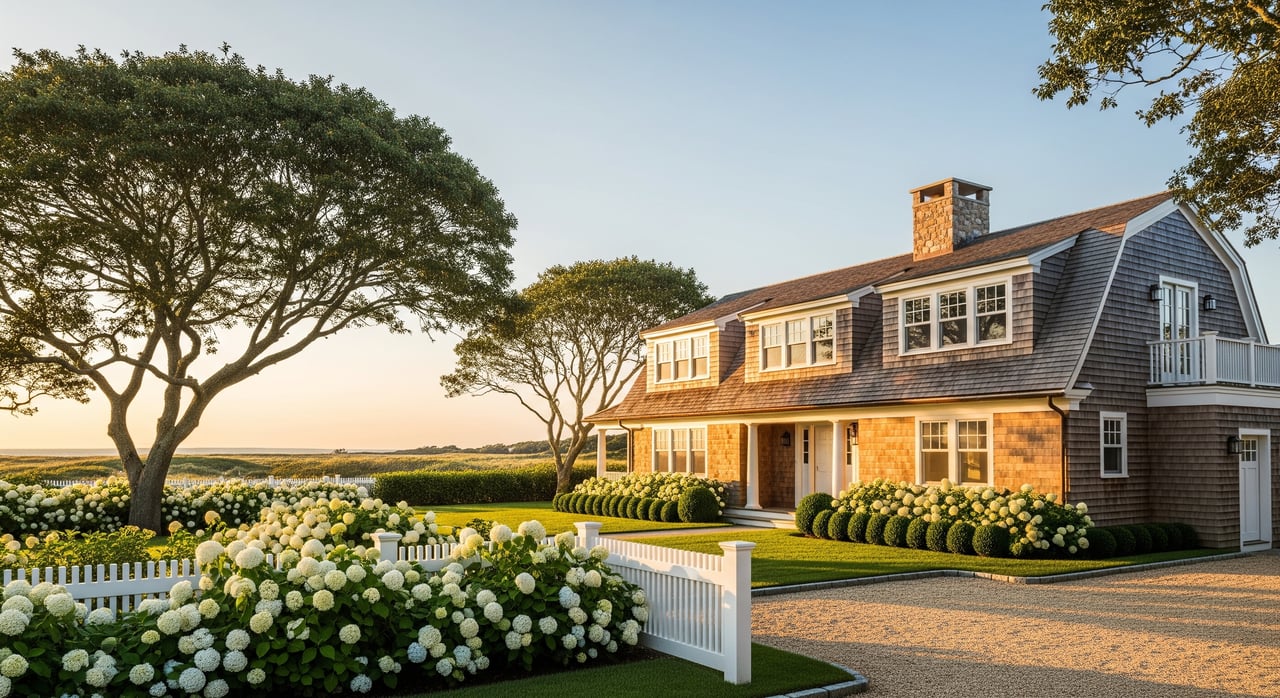
Historic streets and a walkable core put you close to shops, galleries, year-round services, and the LIRR station. Homes range from classic cottages and renovated historic houses to small condos and infill on smaller lots.
- Buyer fit: You want walkability, cultural life, and quick errands. Good for year-round buyers and anyone who values a true village center.
- Tradeoffs: Smaller lots, less privacy, possible village taxes, and a premium for proximity to beaches and downtown.
- Due-diligence flags: Historic-district rules, on-street parking limits, and higher assessed values. Confirm any exterior-change limits with the Town or village.
Near-the-water: ocean, bay, and marina areas
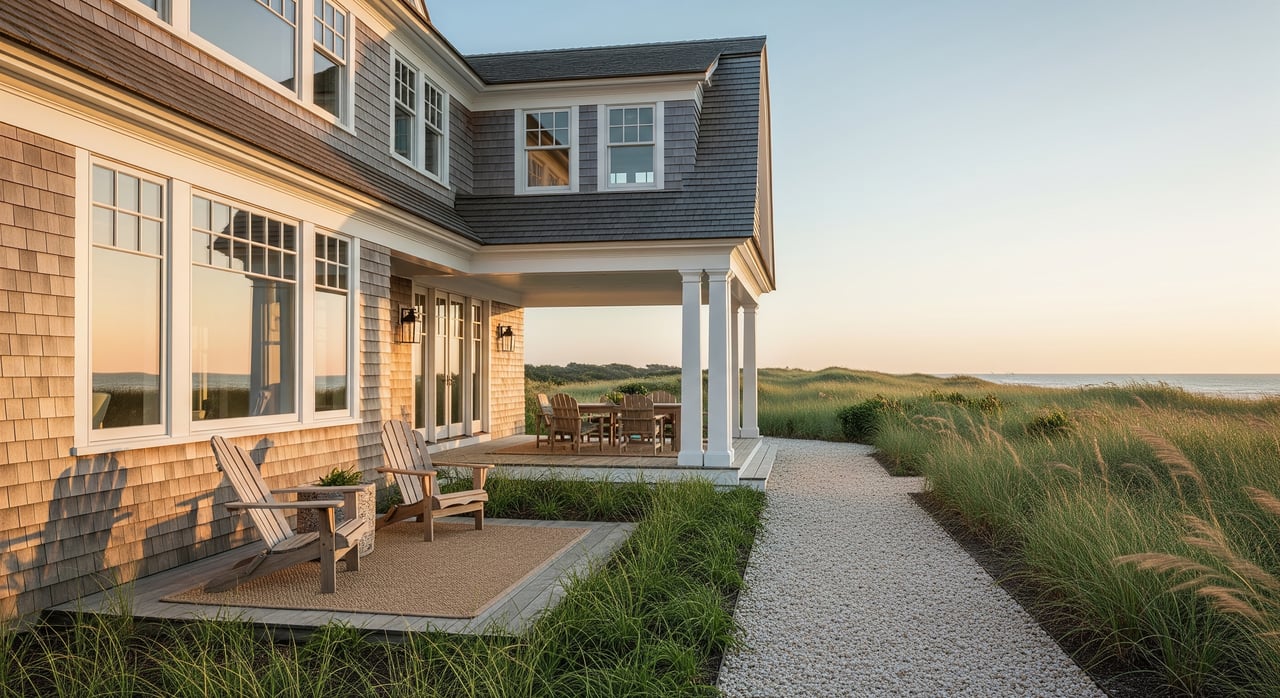
Oceanfront, bayfront, and marina-adjacent streets deliver water access, views, and indoor-outdoor living. Price points span from modest bayside cottages to ultra-luxury oceanfront estates.
- Buyer fit: Luxury second-home seekers, boaters, and anyone who values water lifestyle amenities. Some buyers also plan for seasonal rental income where permitted.
- Tradeoffs: Higher purchase prices for oceanfront, more exposure to storms and erosion, and higher insurance for flood and wind. Neighbors and services can feel more seasonal.
- Due-diligence flags: Check the FEMA Flood Map Service Center for flood zones and Base Flood Elevation, request an elevation certificate, and review coastal setback and permitting rules. For long-term risk, use the NOAA Sea Level Rise Viewer.
Quieter back roads and inland hamlets
Set back from village centers, these areas offer larger lots, a country feel, and greater privacy. Homes include ranches, contemporary country designs, and some larger estates.
- Buyer fit: Families who want more yard space, privacy seekers, and buyers who value land over water views.
- Tradeoffs: Longer drives to beaches and dining, and limited services nearby. Many homes rely on septic systems and sometimes well water.
- Due-diligence flags: Septic capacity and age, replacement history, water source and quality, and whether roads are private or town maintained.
Equestrian and estate pockets
Select inland areas feature acreage, barns, paddocks, and trail access. These properties offer estate privacy and room for hobbies.
- Buyer fit: Equestrians and buyers who want space and seclusion.
- Tradeoffs: Higher upkeep and specialized inspections. Zoning can limit uses and subdivision.
- Due-diligence flags: Zoning for animal use, setbacks, manure management, and any state or local permits tied to land changes.
Seasonal resort and rental-focused nodes
Areas near beaches, restaurants, and entertainment often see concentrated short-term rentals and lively summer energy.
- Buyer fit: Investors and owners who plan to rent part-time, or anyone who loves a social summer scene.
- Tradeoffs: Seasonally higher noise, parking pressure, and variable rental income. Rules are changing in many places.
- Due-diligence flags: Town and village rental codes and permit requirements differ and are enforced. Start with the Town of Southampton and consult local counsel before buying with a rental plan.
Key checks for any Southampton home
A smart search blends lifestyle with practical risk checks. Use the tools below to verify details that can impact value, cost, and insurability.
- Market context: The Hamptons is one of Long Island’s most expensive submarkets, with a wide spread between inland homes and oceanfront estates. Ask your agent for current MLS data and reputable market reports.
- Property taxes: Compare total tax bills across town and village lines, and look at assessment history. Use the Suffolk County Real Property Tax Service for records and guidance.
- Flood and coastal risk: Many coastal and bayside properties sit in FEMA-designated flood zones. Confirm maps and BFEs through the FEMA Flood Map Service Center, and explore future scenarios with the NOAA Sea Level Rise Viewer. Get insurance quotes early.
- Septic, wells, and utilities: Large parts of the East End use private septic systems and sometimes wells. Review pump-out records and test results, and confirm local health department standards for upgrades.
- Permits and zoning: The Town, villages, and New York State each regulate building, wetlands, and tree work. Start with the Town of Southampton for codes and permits.
- Commute and remote work: Montauk Branch service varies by season. Check LIRR schedules, and verify broadband options and speeds before you bid.
- Mapping and parcel data: Use Town of Southampton GIS mapping to review parcel lines and zoning layers.
A simple plan to narrow your search
Use this framework to move from options to action.
Define non-negotiables. Examples include school district, minimum bedrooms, lot size, water access, and commute time.
Rank lifestyle priorities. Decide how you weigh walkability versus privacy, summer energy versus quiet year-round life, equestrian needs, or rental potential.
Set risk and utility guardrails. Clarify flood risk tolerance, septic versus sewer comfort, and required internet speeds.
Visit in and off season. Check traffic, parking, and neighborhood rhythm in July and in February. Talk to neighbors and local business owners.
Assemble your local team early. Work with a Southampton-savvy agent, an inspector who understands East End construction and septic systems, and an attorney who knows local codes.
Quick document and inspection checklist
- Recent tax bills and assessment history
- Survey, property lines, and setbacks
- Septic inspection, pump-out records, and permit history
- Well water tests and supply documentation, if applicable
- Flood zone determination and elevation certificate, if applicable
- Certificates of occupancy and permits for additions or renovations
- Covenants, restrictions, and any HOA rules
- Rental permits and history, if relevant
Lifestyle matchups: quick ideas
Use these starting points, then refine with on-the-ground tours and data.
- Young families and year-round buyers: Village or near-village pockets for shorter errands and services, or inland hamlets with larger yards and quieter streets.
- Luxury second-home seekers: Oceanfront and bayfront corridors, or marina-adjacent areas that favor indoor-outdoor living and entertaining.
- Retirees and low-maintenance seekers: Walkable village areas or smaller-lot inland pockets close to healthcare and year-round amenities.
- Remote workers: Near-village or well-served inland areas with reliable broadband. Confirm speeds during showings.
- Equestrian buyers: Inland estate corridors with acreage, barns, and trail access. Verify animal-use zoning and setbacks during due diligence.
- Investors and rental-focused owners: Seasonal resort nodes near beaches and dining, with careful review of local rental codes and permit paths.
Ready to tour smarter?
Every pocket of Southampton offers something special. The key is matching your day-to-day life with the right streets, services, and long-term risk profile. If you want a curated short list, neighborhood intel, and a streamlined plan for permits, septic, flood, and insurance questions, connect with Dawn Watson to start your Hamptons search.
FAQs
How do Southampton prices compare by area?
- Oceanfront is typically the highest, village areas carry a premium for walkability, and inland pockets often deliver more land for the dollar. Use current MLS data for exact figures.
Do I need flood insurance near the coast in Southampton?
- Mortgage lenders often require it in FEMA flood zones. Verify your property’s zone at the FEMA Flood Map Service Center and request an elevation certificate.
Are short-term rentals allowed in the Town of Southampton?
- Rules differ by village and the Town, and many places have tightened requirements. Review local codes and permits with the Town and a local attorney before you buy.
How important are septic and well checks on the East End?
- Very important. Many homes use private septic systems and sometimes wells, and upgrades can be costly. Ask for inspection reports, pump-out records, and water tests early.
Can I live in Southampton year-round or is it mostly seasonal?
- Many neighborhoods have year-round residents, while others feel more seasonal. Tour in and out of season, speak with neighbors, and confirm which services operate year-round.