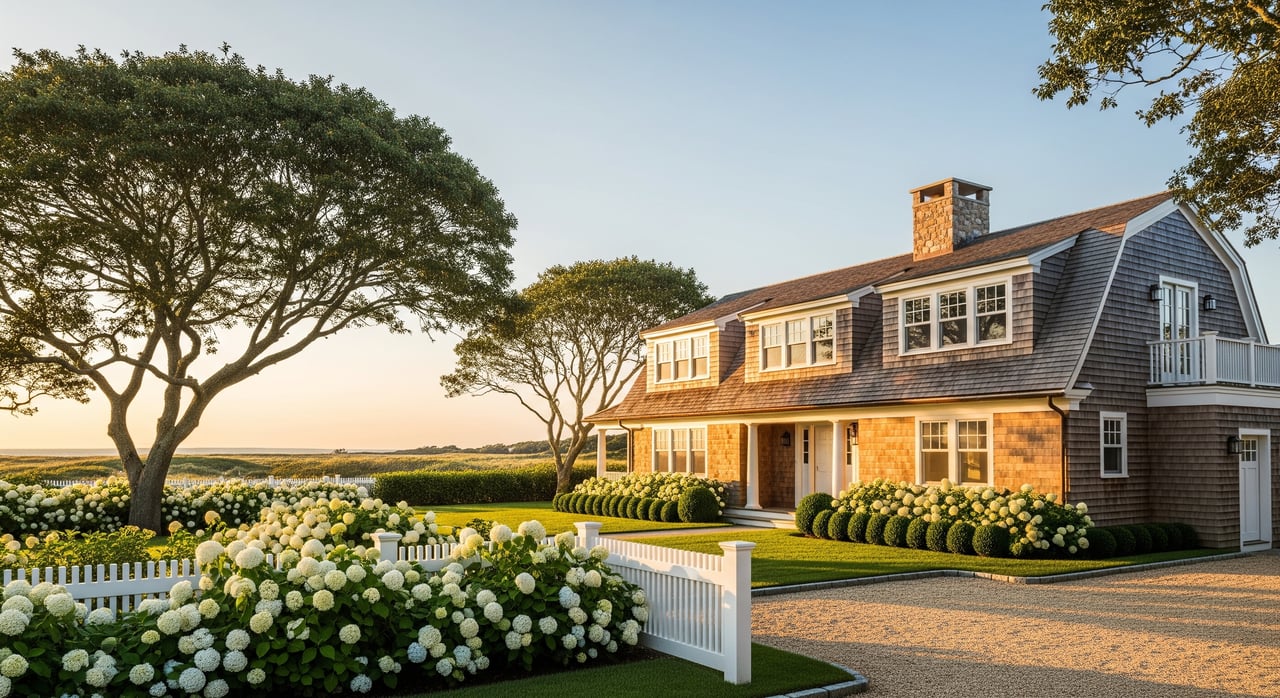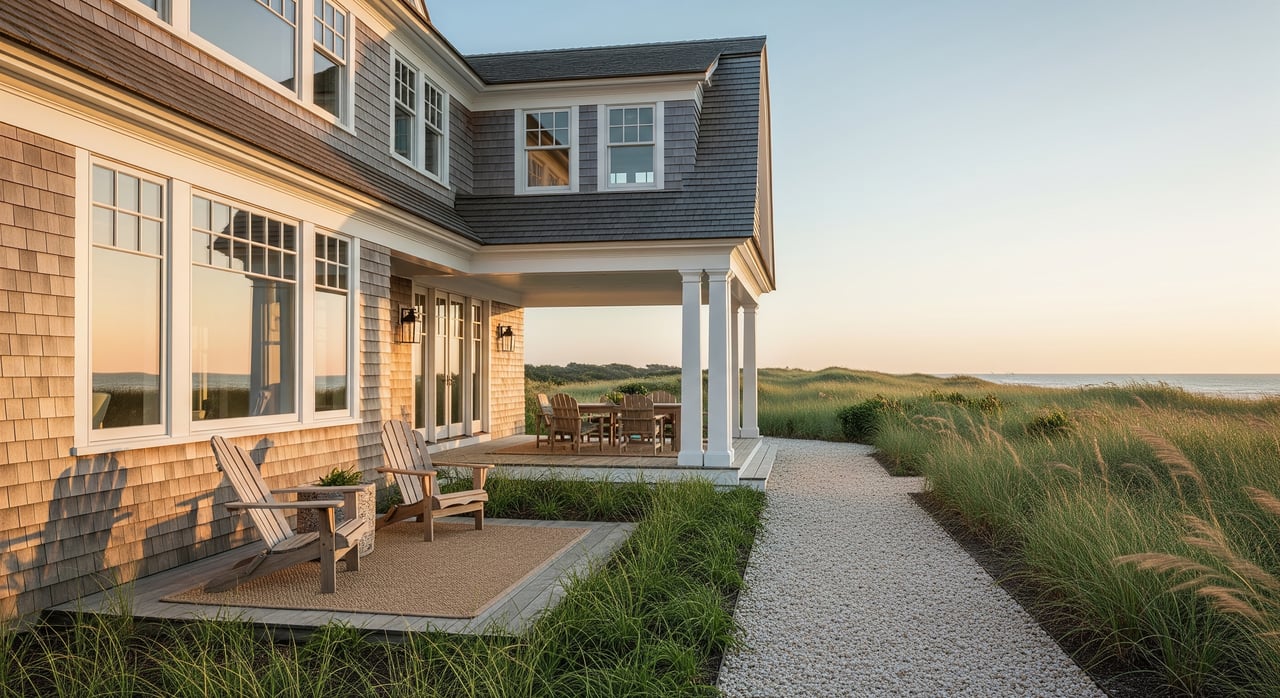
Dreaming about long summer weekends and crisp fall escapes in East Hampton? You’re not alone. This coastal market draws second‑home buyers for its beaches, village charm, and easy NYC access, but it also comes with unique costs, timelines, and rules. In this guide, you’ll learn what to expect, how to budget, how to structure a winning offer, and where to verify key details before you buy. Let’s dive in.
Why East Hampton works for a second home
East Hampton is a high‑demand coastal market with strong seasonality. Inventory and buyer activity tend to spike in spring and summer. Waterfront, water‑adjacent, and turnkey homes often command premiums and move quickly in season. If you shop off‑season, you may find fewer active buyers and sellers who are more flexible on timing or terms.
The takeaway: plan your search around your timeline. If you want to close for summer, prepare to act fast and write competitive offers. If you can shop in fall or winter, you may gain leverage and more time for due diligence.
Market timing and how long it takes
Buying in East Hampton follows New York norms but is shaped by seasonality.
Seasonality and competition
- Spring and summer: more listings and more competition. Expect shorter response windows and multiple offers on top properties.
- Fall and winter: fewer buyers, potentially more negotiating room. Closings can take longer to schedule with inspectors or municipal signoffs.
Typical transaction timeline
- Offer to contract: often within days once terms are agreed.
- Inspections: typically 7 to 14 days. If the home has a septic or well, you’ll need to schedule those checks too.
- Appraisal: usually 7 to 14 days if you finance.
- Title, survey, and municipal items: timing varies by findings.
- Contract to close: commonly 30 to 60 days. Cash deals can close faster, sometimes 2 to 4 weeks if title and paperwork are clean.
How to finance a second home
Financing a second home is different from financing a primary residence.
- Down payment: lenders often expect around 10 to 20% down, depending on your profile.
- Reserves and credit: second‑home loans can require stronger credit and proof of cash reserves.
- Rates and terms: interest rates may be slightly higher than for primary homes.
- Contingencies: mortgage contingencies are negotiable. Waiving them adds risk, especially in a second‑home scenario.
If you plan to finance, get pre‑approved before you tour. A strong pre‑approval signals readiness and helps you move quickly when you find the right home.
Taxes, insurance, and carrying costs
Your budget should cover both upfront and ongoing expenses.
Transfer and mansion tax basics
New York State imposes a real estate transfer tax known as the mansion tax on residential properties sold for more than $1,000,000. The basic rate starts at 1% at that threshold and increases at higher price points. Confirm current rules with the New York State Department of Taxation and Finance.
Property taxes and assessments
Annual property taxes in East Hampton can be significant. Review the property’s tax history and assessment before you offer. You can verify tax data through the Suffolk County Real Property Tax Service Agency.
Insurance and coastal risk
Many East Hampton homes sit near the coast or within FEMA flood zones. If a property is in a Special Flood Hazard Area, lenders require flood insurance. Even outside those zones, many owners choose flood coverage due to coastal storm risk. Insurers may request an elevation certificate to price coverage. Start early and get multiple quotes for homeowners, flood, and wind/hurricane coverage. To check flood zones, use the FEMA Flood Map Service Center.
Ongoing costs to budget
- Mortgage payments, property taxes, homeowners and flood/wind insurance
- Utilities, trash, and winterization when the home is vacant
- HOA or community fees if applicable
- Maintenance and service contracts (see checklist below)
- Recommended reserve: many owners set aside 1 to 3% of the home’s value annually for repairs. For older coastal homes or those with pools or docks, consider 2 to 4%.
Furnishing and maintenance basics
Your plans for use or rentals will shape what you buy and how you set it up.
Furnishing choices and cost ranges
You can buy furnished, partially furnished, or unfurnished. If you plan to furnish, a modest 1–2 bedroom beach house can run in the low‑to‑mid five figures. Larger or higher‑end homes can easily exceed $50,000 to $100,000. Durable, coastal‑friendly materials like UV‑resistant fabrics and easy‑clean finishes hold up better over time.
If you plan to rent, consider hospitality‑grade linens, a keyless entry, and starter supplies for guests to reduce wear and tear and streamline turnover.
Coastal maintenance checklist
- Landscaping and lawn care
- HVAC service, gutter cleaning, chimney sweep, pest control
- Pool service and safety checks
- Septic pump‑outs and service if the home uses a septic system; water testing if on a well
- Exterior upkeep more frequently due to salt air: repainting, deck and trim repairs, window and door maintenance
- Seasonal tasks: winterization, storm prep, and post‑storm inspections
For wastewater and water quality programs, confirm requirements with the Suffolk County Department of Health Services.
Property management options
If you will not be on site often, a local caretaker or property manager can coordinate vendors and handle emergencies. If you plan to rent short‑term, full‑service managers often charge 20 to 35% of rental revenue depending on scope. Compare services, reporting, and response times.
Renting your East Hampton home
Short‑term rentals are common, but they are regulated locally.
Local rules and registration
The Town and the Village have their own codes that may require permits, registrations, safety checks, and occupancy limits. Rules can change, so confirm current requirements with the Town of East Hampton and, if applicable, the Village of East Hampton.
Taxes and income planning
Short‑term rental income usually triggers local and state occupancy and transient taxes. If rentals are part of your plan, model conservative income after deducting management fees, cleaning, maintenance, insurance, vacancy, and taxes. Only commit once you understand your net numbers.
Offer strategy in a seasonal market
Winning in a competitive season means balancing price, speed, and risk.
Strengthen terms carefully
- Price vs. contingencies: a strong price can help, but it should align with lender requirements and your risk tolerance. Waiving appraisal or financing contingencies can be risky for second‑home loans.
- Earnest money: a larger deposit signals seriousness, but know your exposure if the contract is canceled.
- Inspection windows: keep them efficient but sufficient. Include septic, well, flood, and structural checks. Waterfront buyers may add bulkhead, dock, or dune compliance reviews.
- Escalation clauses: these can win in a bidding war. Understand that you may be committing above appraised value.
- Closing flexibility: matching a seller’s preferred date or offering a rent‑back period can strengthen your position.
Coastal due diligence to include
- Title search and survey; check boundaries, easements, and any waterfront encroachments
- Flood zone confirmation and elevation certificate if needed
- Septic inspection and maintenance history; confirm any upgrade obligations
- Well water testing and system inspection, where applicable
- Review local rental rules and any HOA covenants that restrict rentals
- Request disclosures for prior storm damage, insurance claims, and required permits
Your step‑by‑step next moves
Use this simple roadmap to get ready and avoid surprises.
- Get pre‑approved with a lender experienced in New York second‑home loans. Gather documents and proof of reserves.
- Build your local team: a real estate agent who knows East Hampton’s seasonal rhythm, a New York real estate attorney, a coastal‑savvy inspector, and an insurance broker who can quote flood and wind coverage.
- Ask your agent for recent market snapshots and comparable sales to set expectations around price and timing.
- Verify property taxes and assessments through the Suffolk County Real Property Tax Service Agency.
- Pull the FEMA flood map for your target area via the FEMA Flood Map Service Center and request insurance quotes early.
- Confirm septic and water requirements with the Suffolk County Department of Health Services.
- Review local rental and permitting rules with the Town of East Hampton and, if applicable, the Village of East Hampton.
- If waterfront or near‑water, plan a coastal engineer or marine contractor inspection for bulkheads, docks, and erosion exposure.
- Set a realistic annual budget that includes taxes, insurance, utilities, and a 1 to 3% maintenance reserve, leaning higher for older coastal homes or properties with pools or docks.
Buying a second home in East Hampton is equal parts lifestyle and logistics. With the right preparation and a trusted local guide, you can move confidently, protect your investment, and be ready for your first season in the home. If you want personalized advice and an on‑the‑ground partner who understands East Hampton’s nuances, connect with Dawn Watson to start your Hamptons search.
FAQs
What is the best time to buy a second home in East Hampton?
- Spring and summer bring more listings and more competition, while fall and winter often mean fewer buyers and more room to negotiate.
How long does it take to close on a second home in East Hampton?
- From contract to closing, expect about 30 to 60 days; cash deals can close in as little as 2 to 4 weeks if title and paperwork are ready.
Do I need flood insurance for a home in East Hampton?
- If the home is in a FEMA Special Flood Hazard Area, lenders will require it; many coastal owners choose coverage even outside these zones.
What upfront taxes should I plan for when buying in East Hampton?
- New York’s mansion tax starts at 1% on homes over $1,000,000, plus standard closing and recording fees; verify current rules with the state.
How much should I budget annually for maintenance on a Hamptons second home?
- A common guideline is 1 to 3% of the home’s value each year, increasing to 2 to 4% for older coastal homes or those with pools or docks.
Can I rent my East Hampton home short‑term?
- Yes, but local Town and Village rules may require registration, safety checks, and taxes; confirm current requirements before you list.