If you want your Amagansett cottage to book well, good looks alone are not enough. Renters want a home that feels easy, comfortable, and true to its setting, especially in a coastal hamlet where beach days, outdoor living, and local rules all shape the experience. The right design choices can help you protect the home’s character while making it more functional, more compliant, and more appealing to seasonal guests. Let’s dive in.
Start With the Amagansett Context
Amagansett sits within the Town of East Hampton in Suffolk County, and that coastal identity matters. East Hampton describes itself as the easternmost town on Long Island with roughly 70 miles of waterfront, which helps explain why rental-friendly design here should support beach routines, weather exposure, and a relaxed sense of place.
That context should guide more than style. A cottage in Amagansett needs to work for sandy feet, damp towels, shifting weather, and guests who may spend as much time outside as they do indoors. The most successful homes feel polished, but they also feel practical.
Design Around East Hampton Rental Rules
Before you choose finishes or furniture, make sure the house is set up as a legal, clearly defined single-family rental. East Hampton requires rental registration before a property can be rented, requires the rental registry number in advertisements, and that registration expires after two years.
The town also requires updates when tenancy, term, or bedroom count changes. For owners, that means design decisions should support a straightforward, defensible layout from the start. A clear plan now can help you avoid confusion later.
Keep bedroom count clear
East Hampton regulates bedroom size and also looks closely at over-occupancy. The town limits arrangements that feel like share houses or motel-style setups in single-family homes, and the self-inspection materials make clear that mattress count matters.
That is why it is usually smarter to create fewer, true bedrooms instead of squeezing in extra sleeping space. If a room is too small to function as a legal bedroom, it is better used as a den, office, or storage room than presented as a place to sleep.
Avoid a bunkhouse feel
A rental-minded cottage should still read as one cohesive home. Overloading a property with bunks, daybeds, or improvised sleeping areas can make the layout feel crowded and may raise questions about intended occupancy.
A calmer approach tends to work better in Amagansett. Think quality over quantity, with bedrooms that feel restful, useful, and easy for guests to understand.
Plan for parking and occupancy
East Hampton also sets an overnight vehicle cap of four vehicles for tenant and guest occupancy in non-owner-occupied use. That makes arrival planning part of the design conversation.
If possible, your exterior layout should make parking intuitive and tidy. A simple, well-organized driveway experience helps the house feel easy from the moment guests pull in.
Build a Layout Renters Can Use
A charming cottage earns more appeal when the floor plan is simple to navigate. In many cases, the strongest setup is one clear social core, where the kitchen, dining, and living spaces connect naturally.
This kind of layout feels welcoming for weekend guests, summer renters, and longer seasonal stays. It also supports the features travelers search for most often, including a kitchen, air conditioning, heating, wifi, TV, and washer-dryer access.
Create a strong arrival zone
In a beach market, the first few feet inside the door matter a lot. A defined mudroom, entry bench, or drop zone can prevent sand, bags, and wet gear from spilling into the main living space.
Hooks, closed cabinets, baskets, and a washable floor can make a big difference here. These details may not be glamorous, but they help the home function better and feel more considered.
Add closed storage
Beach houses always need more storage than you think. Renters appreciate having a clear place for coolers, umbrellas, towels, and extra supplies, especially when they are staying for more than a long weekend.
Closed storage also helps the cottage photograph better and feel calmer in person. That balance between livability and visual simplicity is part of what gives a rental its staying power.
Include a quiet work nook
Even in a leisure-driven market, a small workspace can widen your appeal. Airbnb’s 2024 amenity guidance highlights a dedicated workspace as a helpful addition for guests.
This does not need to be a full office. A small desk, a comfortable chair, and good lighting in a quiet corner can make the home more versatile without changing its character.
Focus on Amenities Guests Actually Want
Rental appeal improves when you prioritize features travelers actively search for. According to Airbnb’s 2024 amenity data, the most commonly searched items include pool, wifi, free parking, air conditioning and heating, kitchen, hot tub, washer and dryer, self check-in, TV or cable, and a BBQ grill.
That does not mean every cottage needs every amenity. It does mean that your design budget should favor comfort, convenience, and ease of use before purely decorative upgrades.
Cover the basics first
Guests expect essentials. Airbnb notes that basics such as toilet paper, soap, towels, pillows, and linens are standard expectations, along with smoke alarms and carbon monoxide alarms.
In design terms, that means creating enough linen storage, utility storage, and bathroom organization to support a well-run rental. The cottage should feel prepared, not improvised.
Add flexible family and pet touches
Small additions can broaden your renter pool. Airbnb specifically highlights items like a travel crib, high chair, baby gate, pet bowls, furniture covers, towels for wiping paws, and extra cleaning supplies.
These features do not need to dominate the design. If they are neatly stored and easy to access, they can add convenience while keeping the home’s style intact.
Make Outdoor Living a Priority
In Amagansett, outdoor space is not an extra. It is part of the main event. Vrbo’s 2024 travel trends report found that 42% of travelers book vacation homes with outdoor amenities they cannot have at home or want to try before buying, and nearly 30% would choose a home with outdoor amenities so they never have to leave.
That is especially relevant in a beach community where the outdoor rhythm shapes the day. A cottage with a thoughtful yard or terrace can stand out without feeling overbuilt.
Invest in usable outdoor features
The most appealing outdoor additions are often the most usable ones. Vrbo’s report points to features like hot tubs, cold plunges, barrel saunas, fire pits, BBQs or outdoor kitchens, lawn games, and even on-site produce as guest-friendly options.
You do not need to include all of these. A simple grill terrace, shaded dining area, and one memorable feature can often do more than a cluttered backyard with too many disconnected ideas.
Support the beach routine
East Hampton’s beaches page lists Amagansett beaches including Indian Wells, Atlantic Avenue, and Albert’s Landing. With beach access and beach logistics playing such a central role, your cottage should help guests move easily from car to shore to cleanup.
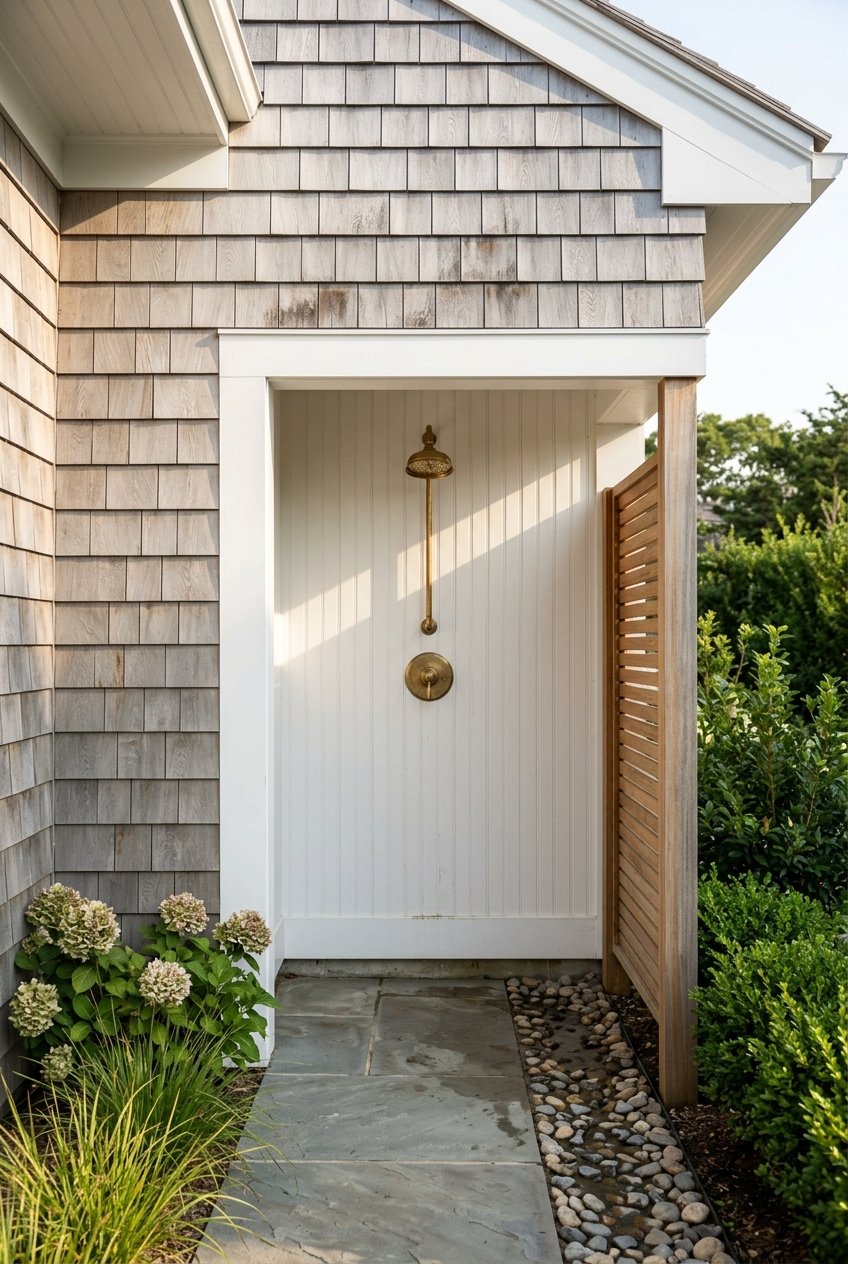
An outdoor shower, rinse station, hooks, benches, and a gear closet can make a home feel much more functional. Those features fit the market naturally because they support how people actually use the house.
Choose Finishes for Coastal Wear
A beach cottage has to hold up to real life. NOAA defines coastal resilience as the ability to adapt to changing conditions and recover from coastal storms, flooding, and other hazards, and that idea applies to design choices too.
For interiors, that means selecting materials that can handle moisture, sand, and frequent turnover. A beautiful house that is difficult to maintain may lose its shine quickly in a high-use rental setting.
Favor easy-to-repair materials
Durable, moisture-tolerant finishes usually make the most sense in Amagansett. Floors, wall finishes, hardware, and textiles should be chosen with cleanup and wear in mind.
It also helps to place the most vulnerable materials away from heavy sand-and-splash traffic. Keep the highest-maintenance surfaces out of the direct path from the yard or beach entry.
Keep the palette cohesive
Expedia Group’s 2024 travel trends reporting suggests that the overall vibe of a stay matters to travelers. That supports a cohesive lighting plan, a consistent palette, and a restrained styling story instead of a purely utilitarian approach.
For an Amagansett cottage, that often means soft neutrals, natural textures, and a layered but edited look. The goal is not to over-theme the home, but to make it feel calm, rooted, and visually consistent.
Think Carefully About Additions and Suites
If your project involves an addition, a bathroom-count change, or a separate suite, design and permitting need to stay aligned. Suffolk County’s Office of Wastewater Management may require permit review for sewage disposal and water supply systems in those cases.
That issue is easy to overlook early on, but it can affect the scope and timing of a project. It is worth planning carefully before construction decisions are made.
Understand septic implications
East Hampton also offers a septic incentive program for eligible low-nitrogen replacements, with rebates of up to $20,000 in the Water Protection District and $15,000 elsewhere. New construction is not eligible for that incentive.
If you are upgrading an existing cottage, this may be part of the financial picture. It is another reason to think about layout, bedroom count, and infrastructure together rather than as separate decisions.
Decide early on ADU strategy
East Hampton permits accessory dwelling units when code requirements are met, but they follow a separate permitting path, require annual renewal, and in many cases involve one-year leases. The town also notes that adding an ADU may trigger septic-system upgrades and Suffolk County approval.
For a rental-focused property, that means you should decide early whether the home will function as one seasonal rental cottage, a legally separate accessory apartment, or a long-term housing unit. Those paths are not interchangeable, and the layout should reflect the intended use from day one.
The Best Amagansett Rental Design Brief
The clearest design brief for an Amagansett cottage is also the most useful one. Keep the home code-compliant, make the beach routine effortless, and preserve a calm coastal identity that feels good to live in and easy to book.
When those three goals line up, the result is more than a pretty rental. It becomes a home with a strong story, a better guest experience, and a clearer position in the Hamptons market.
If you are weighing updates, preparing a property for seasonal rental, or trying to understand how design choices may affect value and appeal in Amagansett, Dawn Watson can help you shape a strategy that fits both the home and the market.
FAQs
What makes an Amagansett cottage more appealing to renters?
- The biggest drivers are a practical beach-friendly layout, strong outdoor living, sought-after basics like wifi and air conditioning, and a cohesive design that feels calm and easy to use.
What rental rules matter when designing a cottage in Amagansett?
- Because Amagansett is in the Town of East Hampton, owners should plan around rental registration rules, bedroom-size standards, occupancy limits, and the rule that advertisements include the rental registry number.
What bedroom design choices help support East Hampton compliance?
- It is usually better to create a smaller number of true bedrooms with clear legal function than to add cramped bonus rooms or extra mattresses that could raise occupancy concerns.
What outdoor features are useful for an Amagansett rental property?
- Outdoor showers, rinse stations, gear storage, shaded dining, grill areas, and one standout amenity like a fire pit or hot tub can add strong guest appeal in this beach market.
What should owners know about adding a suite or ADU in East Hampton?
- A separate suite or ADU can involve a different permit path, annual renewal, possible one-year lease requirements, and potential septic review, so the intended use should be decided early in the design process.